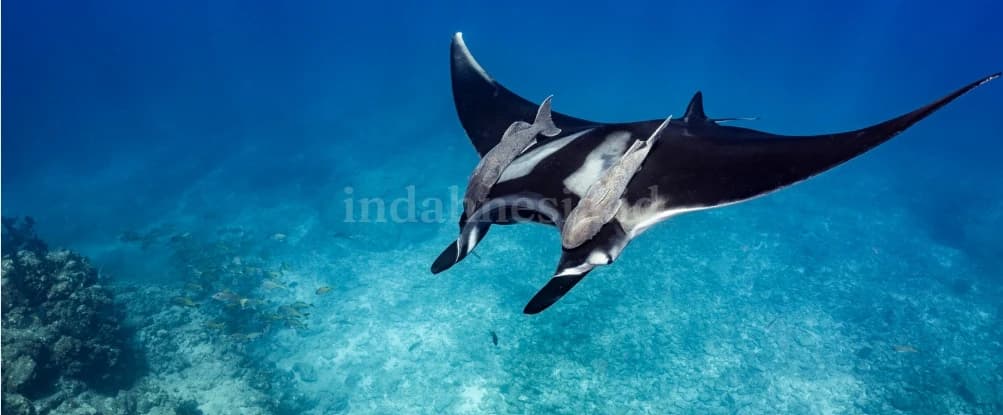
Manta Ray Season in Komodo 2026: Month-by-Month Guide
At a glance
- Best time: April to June and September to November offer the calmest seas and best diving visibility. The dry season means clear skies for island hopping and reliable manta ray encounters.
Manta encounters in Komodo run year-round, but conditions shift dramatically by month, currents strengthen, plankton blooms come and go, and visibility swings from gin-clear to green-tinted depending on what the ocean sends through the strait. If you're building a trip around snorkeling or diving with mantas, timing matters. Here's what each month brings to Manta Point, Mawan, and the southern channels.
jakartakomodo~3.5-4 hours connecting
IDR 1200K–2800Kbalikomodo~1.5 hours direct
IDR 700K–1600Ksurabayakomodo~2-3 hours direct or connecting
IDR 900K–2000KJanuary — Green Water, Heavy Currents
The wet season peaks in January. Northwest monsoon rains bring nutrient-rich runoff, drawing reef mantas to Manta Point and Mawan in impressive numbers, crews regularly spot 15–30 individuals circling the cleaning stations. The tradeoff: visibility drops to 8–12 meters on many days, surface chop makes snorkeling less comfortable, and strong currents require confident swimming or a dive guide who knows the eddies.
Liveaboards still run, but expect route adjustments if swells close off exposed anchorages. If you're here primarily for mantas and comfortable with rougher conditions, January delivers. If you want calm-water snorkeling and postcard-blue visibility, wait for the dry months.
February — Transitional Swells
February sits between wet and dry. Rain tapers off through the month, but surface conditions remain unpredictable one day glassy, the next wind-whipped. Manta activity stays high as nutrient flow continues, though visibility improves slightly compared to January, often reaching 10–15 meters.
This is shoulder season for park crowds, meaning fewer boats at popular sites. If you're flexible with weather and don't mind the occasional postponed crossing, February offers solid manta chances without peak-season congestion.
March — Clearing Skies, Building Visibility
By mid-March, the dry season foothold appears. Seas calm, skies clear more consistently, and visibility at Manta Point and Mawan climbs toward 15–20 meters. Mantas remain active plankton blooms still pulse through the channels, keeping reef mantas circling the cleaning stations.
This month marks the start of reliable conditions for first-time snorkelers. Currents ease slightly, making Manta Point more accessible without advanced swimming skills. March also sees fewer boats than April onward, so if you want strong manta odds with lighter crowds, this window works well.
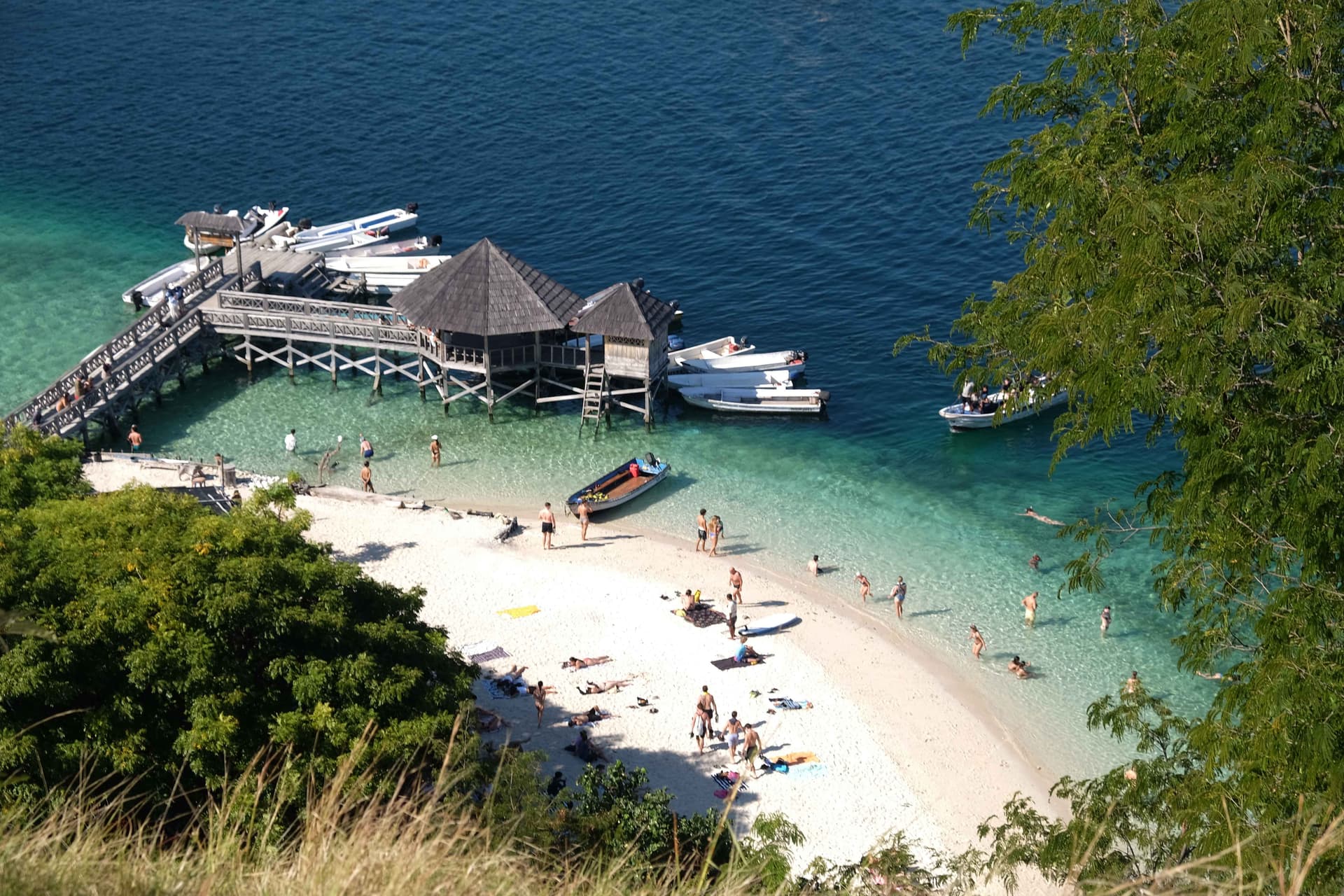
Manta Point Snorkeling Day Trip
komodo · 1 Day
Dedicated half-day trip to Manta Point in Komodo National Park. Focused on manta ray encounters with extended snorkel time at the cleaning station. Best April-October.
from
$77 USD
April — Prime Conditions Begin
April opens the peak manta window. Visibility pushes past 20 meters on calm days, currents run predictably (strong but manageable with proper guidance), and surface conditions settle into glassy-morning reliability. Manta Point sees consistent activity 10–20 individuals most days, with larger aggregations when plankton concentration spikes.
Water temperature hovers around 26–28°C, comfortable in a 3mm wetsuit or rash guard for extended snorkeling. This is also when liveaboards fill fast, so lock in cabin bookings early if your dates fall in April.
May — Peak Season, Peak Crowds
May delivers Komodo's most consistent manta conditions. Visibility often exceeds 25 meters, seas stay calm through most of the month, and mantas gather in numbers that justify the hype crews report 20–40 individuals at Manta Point on strong days, with smaller groups at Mawan and the southern channels.
The downside: everyone knows this. Expect 8–12 boats at Manta Point during mid-morning hours, especially on weekends. If you want the site to yourself, go early departure before 6:30 a.m. from Labuan Bajo gets you there ahead of the day-trip rush. Alternatively, liveaboards anchor overnight nearby, letting you snorkel the cleaning stations at first light.
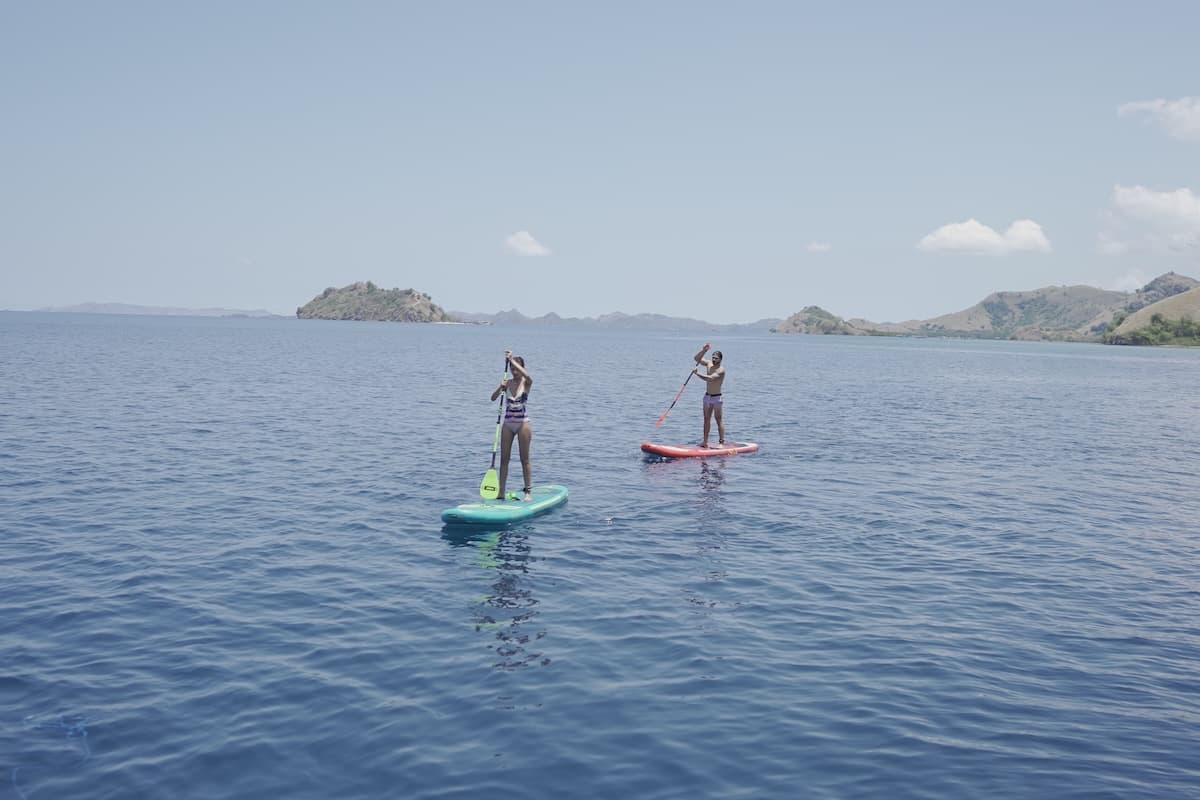
3D2N Komodo Phinisi Tour - Paddle-board & Floating Pool!
komodo · 3D2N · 4.7
A Komodo open trip that leaves room to actually enjoy the water. You still get the headline sights — Padar at sunrise, the dragons, Pink Beach and Manta Point — but the floating seawater pool and paddle-boards turn the stretches between stops into the part families and photographers remember most. The captain reads the weather and tides rather than forcing a fixed route, so you spend more time in the sea and less time waiting around.
from
$306 USD
June — Last of the Calm-Water Window
June extends May's conditions with slightly fewer boats as Indonesian school holidays wind down. Visibility remains excellent, currents stay strong but predictable, and manta activity holds steady. This is the final month of reliable calm water before southeast trade winds begin to build.
If you're planning a dive-focused trip, June offers the best balance of visibility, manta encounters, and manageable current windows across multiple sites, Batu Bolong, Castle Rock, and the southern drift dives all run well this month.
July–August — Wind Season Arrives
Southeast trade winds pick up in July, bringing choppier surface conditions and stronger currents. Manta activity continues, they don't disappear with the wind, but snorkeling becomes more demanding. Waves at Manta Point can reach 1–1.5 meters, making entry and exit from the boat trickier, and drift speeds increase enough that less-experienced swimmers may struggle.
Divers fare better than snorkelers during these months. Subsurface conditions remain excellent, with visibility often holding above 20 meters and currents creating the nutrient flow that draws mantas. If you're certified and comfortable with drift diving, July and August deliver strong encounters without the May crowds.
August also marks peak Indonesian holiday season, so expect higher boat traffic and faster liveaboard bookings.
September — Optimal Balance
September rivals April for best overall conditions. Winds ease from their July–August peak, seas calm again, and visibility climbs back toward 25 meters. Manta Point sees consistent activity 15–25 individuals most days and crowds thin as Indonesian holidays end.
This month suits snorkelers and divers equally well. Surface chop drops enough for comfortable long snorkels, while subsurface current flow keeps cleaning stations active. If you want prime manta odds with fewer boats than May, September delivers.
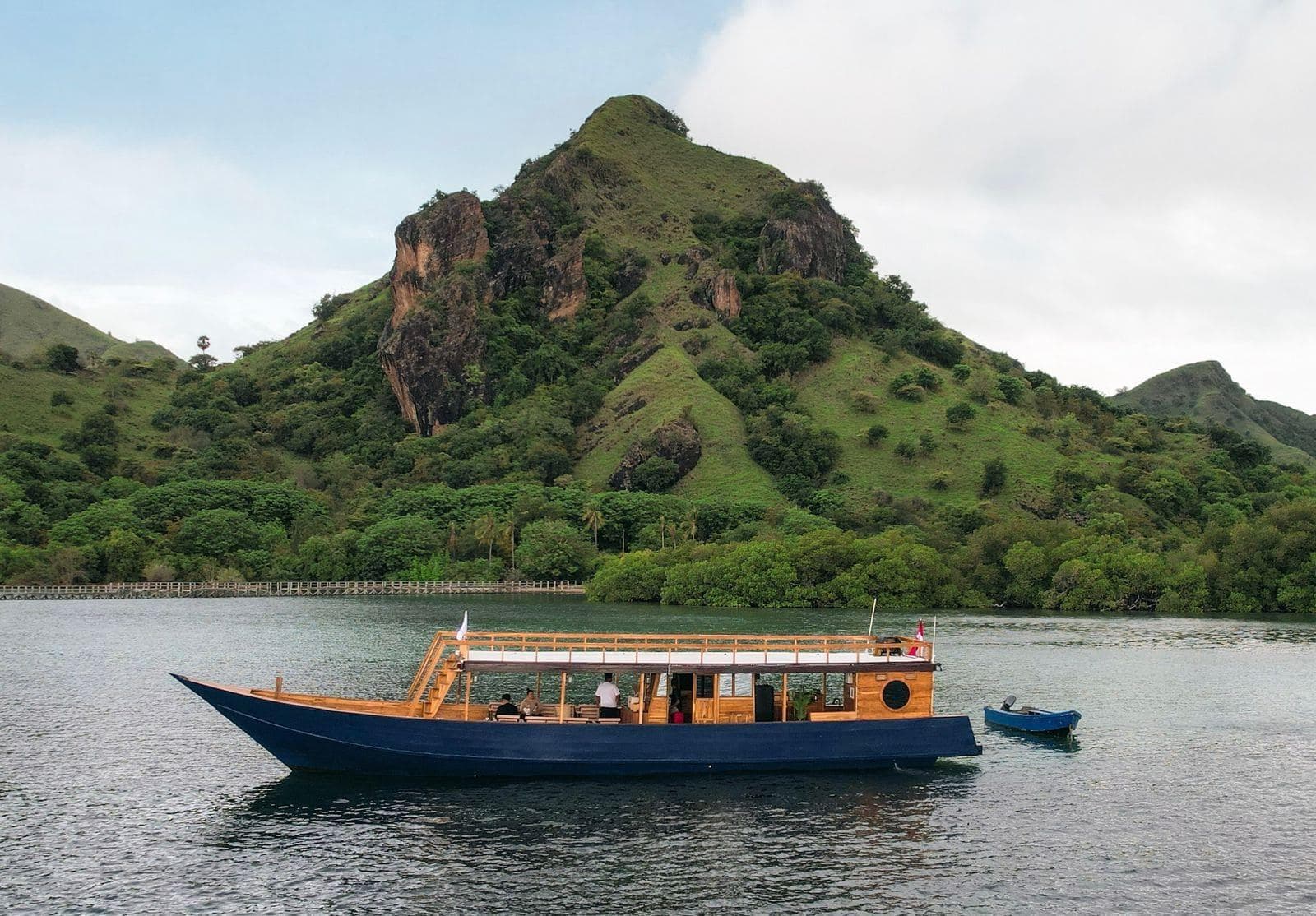
Komodo Day Trip: Padar, Pink Beach & Dragons in 1 Day
komodo · 1 Day · 4.8
Experience Padar Island, Pink Beach, Komodo dragons, snorkeling, and Kalong Island—all in one unforgettable day from Labuan Bajo
from
$142 USD
October — Shoulder Season, Strong Encounters
October extends September's calm-water window into early November. Manta activity remains high, visibility stays excellent, and surface conditions allow easy snorkeling most days. This is the last month of reliable calm seas before the wet season builds.
Crowds drop further as European and North American summer holidays end. If you prefer quieter anchorages and fewer boats at dive sites, October offers the same manta odds as peak months with significantly lighter traffic.
November — Wet Season Begins
By mid-November, northwest monsoon clouds start building. Rain comes in short bursts initially, then extends into longer downpours as the month progresses. Visibility begins to drop — 15–20 meters becomes typical, with occasional green-water days dipping below 10 meters.
Manta encounters continue, but conditions grow less predictable. Some days deliver glassy-calm snorkeling with 20+ individuals at Manta Point; others bring wind, chop, and reduced visibility. If you're flexible with itineraries and comfortable with weather-dependent routing, November still offers solid manta chances at lower prices and lighter crowds.
December — Full Wet Season
December brings Komodo's wettest conditions. Rain falls most days, swells build in the southern passages, and visibility drops to 10–15 meters on average. Mantas remain active, nutrient-rich water draws them to cleaning stations, but surface conditions make snorkeling less appealing for casual swimmers.
This is low season for a reason. Liveaboards run reduced schedules, and day trips frequently adjust routes based on swell forecasts. If you're here for dragons and land-based trekking with occasional manta snorkeling as a bonus, December works. If mantas are the primary goal, wait for the dry months.
Planning Around Manta Season
Manta Point and Mawan sit in current-rich channels where nutrient flow dictates activity. Even in peak months, arrival time matters, early morning (before 8 a.m.) typically sees calmer surface conditions and fewer boats, while late morning brings wind chop and the day-trip rush.
Liveaboards offer the most flexibility. Overnight anchorages near Manta Point let you snorkel at first light, then return if conditions improve later. Day trips from Labuan Bajo work well in calm months (April–June, September–October) but require earlier departures to beat crowds.
Current strength varies by moon phase. Spring tides (around new and full moons) bring stronger flow, which can mean more mantas but also more challenging snorkeling. Neap tides (first and third quarter) ease currents, making Manta Point more accessible for less-experienced swimmers.
What to Bring
A 3mm wetsuit or long-sleeve rash guard protects against jellyfish and sun exposure during extended snorkeling. Water temperature drops during dry-season months when southeast upwelling brings cooler currents through, some divers report temperatures as low as 22–24°C at depth between June and September, though surface temperatures generally stay warmer.
Reef-safe sunscreen (mineral-based, no oxybenzone) is required within the national park, rangers check at some sites.
If you're snorkeling only, bring your own mask and snorkel. Rental gear from liveaboards and day-trip operators varies in quality, and a well-fitting mask makes a significant difference when currents are strong. Fins with adjustable straps work better than full-foot models if you're moving between boats.
Underwater cameras handle Komodo's visibility well in dry months. In wet-season green water, wide-angle lenses capture more of the scene than tight zooms. GoPros and similar action cameras work fine for casual documentation; serious underwater photographers bring housed DSLRs or mirrorless setups.
Booking Considerations
Liveaboards fill 2–3 months ahead for April, May, September, and October departures. If your dates fall in peak season, book as soon as flights are confirmed. Day trips allow more last-minute flexibility, though popular operators (especially those with smaller group sizes) sell out a week or two ahead during busy months.
Private boat charters offer the most control over timing and route, but cost significantly more than open-trip liveaboards or shared day trips. For groups of 6–8, a private phinisi can work out cost-effective while delivering custom itineraries and flexible departure times.
When your dates firm up, the liveaboard and day-trip options on this page handle logistics, most include park entry fees, ranger fees, snorkel gear, and meals. Clarify what's covered before booking, especially for multi-day trips where fuel surcharges or equipment rentals may appear as separate line items.
FAQ
What is the best month for manta rays in Komodo?
April, May, and September offer the most consistent manta encounters with excellent visibility and calm seas. May sees the highest activity but also the most boats. September delivers similar conditions with lighter crowds.
Can I see mantas year-round in Komodo?
Yes, manta activity continues throughout the year at Manta Point and Mawan. Wet-season months (November–March) bring rougher conditions and reduced visibility but still produce regular sightings. Dry-season months (April–October) offer easier snorkeling and clearer water.
Do I need to dive to see mantas, or can I snorkel?
Snorkeling works well at Manta Point, the cleaning station sits shallow enough that you'll see mantas clearly from the surface. Divers get closer and can observe feeding behavior at depth, but snorkelers in calm conditions often see 10–20 individuals in a single session.
How strong are the currents at Manta Point?
Currents at Manta Point range from moderate to very strong depending on tide phase and moon cycle. Spring tides bring the strongest flow, requiring confident swimming or flotation aids. Neap tides ease currents enough for less-experienced snorkelers. Always snorkel with a guide who knows the site's eddy patterns.
What's the water temperature like during manta season?
Water temperature in Komodo varies by season. Wet months (November–March) tend warmer, while dry-season southeast trade winds can bring cooler upwelling, some divers report temperatures dropping to 22–24°C at depth between June and September. Surface temperatures generally stay around 26–28°C. A 3mm wetsuit or long-sleeve rash guard provides adequate warmth for extended snorkeling sessions and protects against jellyfish.
How many mantas can I expect to see on a good day?
Manta Point regularly sees 10–30 individuals during peak months (April–June, September–October). On exceptional days, counts reach 40+. Wet-season months typically produce smaller groups (5–15 individuals) but still deliver encounters most days. Numbers vary by plankton concentration and current flow.
Are there other good manta sites besides Manta Point?
Mawan, south of Komodo Island, offers similar cleaning-station encounters with fewer boats. Some southern dive sites near Rinca also see manta activity, though less predictably than Manta Point. Liveaboards with flexible itineraries can check multiple sites if conditions shift.