Planning your first Bali trip? Here's what to know before you go.
1. Arrive in Denpasar, base yourself strategically
Flights land at Ngurah Rai International Airport (DPS), about 13km south of Denpasar. Taxi or ride-share into town costs Rp 150k–250k depending on traffic and time of day. Most first timers split their week across two bases: 3–4 days in Seminyak or Canggu for beaches and dining infrastructure, then 2–3 days in Ubud for temples, rice paddies, and market culture. The drive between them is roughly 1.5–2 hours via Denpasar, so plan your route before arrival. Staying in both lets you experience coastal Bali and inland Bali without the 3-hour round-trip daily commute.
2. Understand the visa, currency, and SIM basics
Most visitors get a visa-on-arrival (VOA) for Rp 500k, valid 30 days. Have your passport, return flight confirmation, and Rp 500k in Indonesian cash ready at the airport window—it's faster than paying in USD. The rupiah floats around 15,500–16,500 per USD (check XE.com before you go). ATMs are everywhere in Seminyak, Canggu, and Ubud; withdraw cash in Rp rather than converting USD. Buy a local SIM card (Telkomsel or Indosat, Rp 50k–100k) at the airport counter mobile data is cheap (Rp 40k for 5GB) and you'll need Google Maps offline and WhatsApp for hotel coordination. Pocket WiFi rental is optional if your phone plan covers international data.
3. Pack for equatorial heat and afternoon rain
Bali is warm year-round, but monsoon season (November–March) brings afternoon downpours and humidity that sticks. Pack lightweight, breathable clothes; sarongs or lightweight pants for temple visits (shoulders and knees covered); closed shoes for hiking rice terraces; reef-safe sunscreen (Rp 200k per bottle locally, cheaper than overseas); and a light rain jacket or umbrella for the monsoon months. Swimwear, hat, and sunglasses are essentials. If you're diving or snorkeling, bring your own mask and fins unless you plan to rent (mask rental: Rp 50k–100k per day, fins: Rp 75k per day).
4. Book temples and tours in advance, especially for sunrise
Tanah Lot, Besakih, and Tirta Empul are Bali's big three temples and crowded by 8am. Book sunrise slots (6:30–7am entry) through your hotel or a tour operator the day before. Temple entry is Rp 30k–60k depending on the site, and you'll need a sarong (included in the fee or available for rent, Rp 10k). Ubud's Tegallalang Rice Terraces are free to walk through, but hire a local guide (Rp 250k–400k for a 2-hour walk) to learn what you're looking at and avoid the tourist photo-mill. If you're interested in diving, the Bali Sea offers calm conditions April–October; book dives 1–2 days in advance (Rp 800k–1.2M per dive including equipment and guides).
5. Eat where locals eat, and understand warung culture
Tourist restaurants in Seminyak charge Rp 60k–150k for a passable nasi padang or gado-gado. Walk two blocks inland and you'll find warungs serving the same dish for Rp 15k–30k. Ubud's Warung Bodag Maliah and Warung Petanu are institutions—arrive before noon to beat crowds. Drink bottled water (Rp 5k–10k per 600ml bottle) everywhere; tap water isn't reliably treated. Fresh juice from street carts costs Rp 15k–25k and is safe if the stand is busy (high turnover = fresh fruit). Coffee culture is huge—a proper Bali coffee (tubruk or pour-over) at a local coffee shop runs Rp 20k–40k.
6. Use ojeks for short distances, book drivers for day trips
Ojeks (motorcycle taxis, flagged on the street or via Gojek/Grab app) cost Rp 10k–25k for most in-town trips and are the fastest way to beat traffic. For day trips outside your base (Ubud to Tegallalang, or Seminyak to a beach club), hire a driver through your hotel or an app for Rp 400k–600k for a full day (8am–6pm). Driving yourself is technically possible but chaotic—left-hand traffic, unpredictable scooter behavior, and insurance complications make it risky for first-timers.
7. Respect temple culture and dress codes
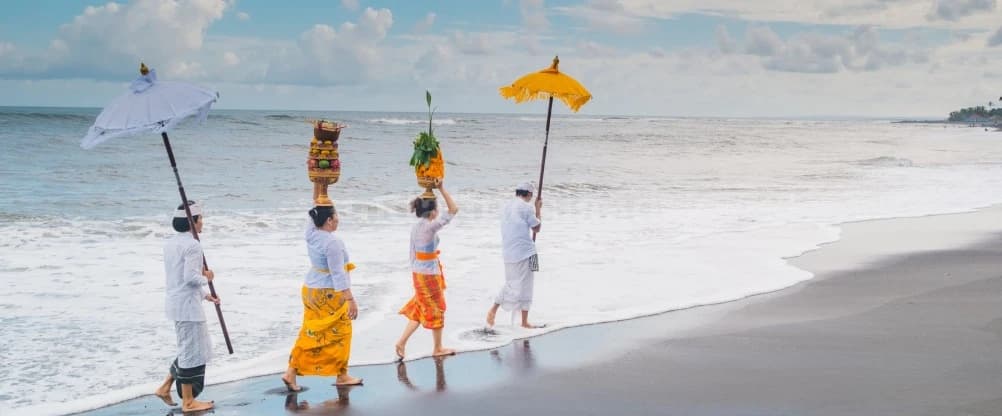
Temples require sarongs and sashes; your shoulders and knees must be covered. Menstruating women traditionally aren't allowed in certain temple areas check with your guide or the temple attendant. Taking photos in some temple inner sanctums is forbidden; ask permission before you shoot. Balinese Hinduism weaves into daily life (notice the daily offerings, called canang sari, placed outside homes and shops)—treat them as sacred, not props.
8. Plan for Balinese time
Things move slower here. Hotel check-in might take longer than expected. Tour operators may adjust pickup times by 15–30 minutes. Embrace the pace rushing doesn't help. Build in buffer time between activities, especially if you're catching flights.