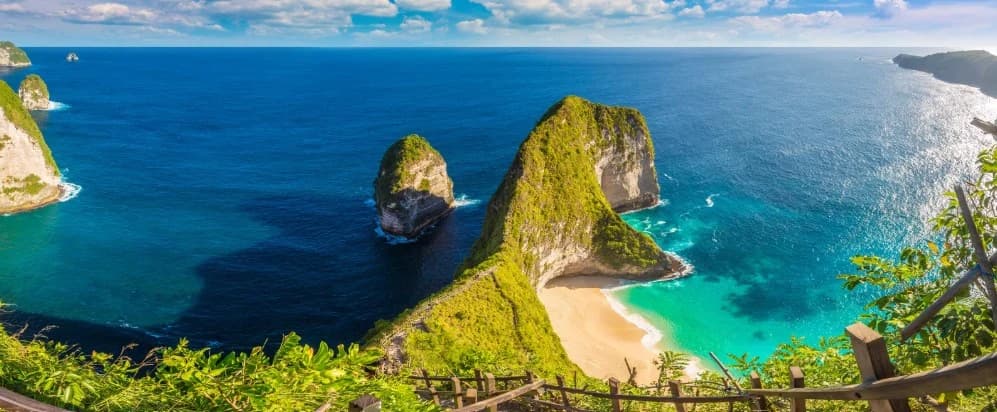
"Planning a day trip to Nusa Penida from Bali? Safety is the first question and rightfully so. The island has changed dramatically over the past three years. Kelingking Beach's iconic clifftop viewpoint, Diamond Beach's photogenic descent, and the broader infrastructure around Nusa Penida have all evolved. Here's what's actually different in 2026, what's genuinely safe, and where the real risks still live."
jakartabali~2 hours direct
IDR 600K–1500Ksingaporebali~2.5 hours direct
IDR 1500K–3000Ksurabayabali~1 hour direct
IDR 500K–1200KThe Safety Question: What's Actually Changed
At a glance
- Getting there: Fly direct to Ngurah Rai International (DPS) from most Asian hubs including Singapore, Kuala Lumpur, Tokyo, and Sydney. Many international carriers operate nonstop flights year round.
- Best time: April through October is the dry season with warm days and cooler evenings in the highlands. Skip the Christmas and New Year rush if you prefer quieter temples and better hotel rates.
- Transport: flight from surabaya (~1 hour direct, IDR 500,000–1,200,000)
Nusa Penida in 2026 is not the Wild West it was five years ago. The island has seen serious infrastructure investment better roads, improved signage, more rangers at popular spots, and clearer safety protocols at the beaches that draw crowds. But "improved" doesn't mean "no hazards." Understanding the difference between hype and reality is what keeps a day trip memorable instead of regrettable.
The biggest shifts:
Kelingking Beach access: The cliffside viewpoint that launched a thousand Instagram posts used to be a free-for all scramble down crumbling earth steps with zero guardrails. In 2024–2025, local authorities installed rope guides, reinforced the descent path, and posted rangers during peak hours (roughly 8am–4pm daily). It's not a managed tourist attraction with turnstiles it still feels rustic but the active collapses and near misses that characterized 2022–2023 have dropped sharply. Cost: Rp 25,000–30,000 entry to the viewing area (collected by local caretakers, not a formal gate).
Diamond Beach infrastructure: The dramatic white-sand beach tucked below limestone cliffs now has a paved access road (completed mid-2024) instead of the rutted track that made scooter rides treacherous. A warung sits at the top with basic supplies, a small changing shelter, and—most critically a lifeguard post staffed 9am–5pm on weekends and peak season. Rip currents are still present (they're always there in this strait), but swimmers now have visible safety briefings and someone watching. Entry: Rp 20,000.
Road conditions: The main loop road around Nusa Penida (Kelingking → Diamond Beach → Atuh Beach → Seganing → Sampalan) is now roughly 70% paved asphalt instead of the 40% it was in 2023. Night driving is still inadvisable (potholes, blind curves, no street lights), but daylight scooter or car trips are materially safer than they were two years ago.
What hasn't changed: the island's exposure to Indian Ocean swells, the steep terrain, the minimal healthcare infrastructure, and the fact that Nusa Penida remains a place where your own judgment matters more than any sign.
Safety in the Details: Beaches, Currents & Cliffs
is Nusa Penida safe in 2026 depends almost entirely on which beach you're visiting and what conditions you're planning to enter.
Kelingking Beach (the viewpoint, not the sand below):
Safe to visit, moderately risky to descend. The viewing platform—the clifftop where most photos happen is now roped off with clear sightlines. Crowds thin midday (10am–2pm is peak; arrive by 8:30am or after 3pm for fewer people and better light). The descent to the sand below is a different calculation: it's a ~100-meter scramble down rope-assisted steps cut into the cliff face. The path is steeper than it looks in photos and exposed one slip means a serious fall, not a tumble. Only descend if you're comfortable on steep terrain, wearing proper shoes (not flip-flops), and have no fear of heights. Most visitors skip the descent and photograph from the viewpoint, which is entirely sensible.
Is Nusa Penida safe for this? Yes, if you respect the terrain. The infrastructure improvement has genuinely reduced accidents. But Instagram makes it look like a casual stroll; it isn't.
Diamond Beach:
Safe for wading and photography, risky for swimming. The beach itself a sweeping crescent of white sand and limestone is picturesque and crowded enough to feel supervised. The lifeguard post is real; the warung provides shade and fresh water. Here's the catch: this beach sits in the Badung Strait, where the Indian Ocean swell funnels through a narrow channel. Rip currents are not occasional; they're structural. Even on "calm" days, the water has pull. In January–February (wet season), swells can be dramatic enough to close swimming entirely.
If you're planning to swim: check the lifeguard's assessment when you arrive (they read the conditions daily), wear a rash guard or wetsuit for visibility and sun protection, stay in the shallow zone near the sand, and never attempt to dive or snorkel alone. The current hasn't changed; the safety layer (lifeguard + visible hazard communication) is new.
Atuh Beach:
Less crowded than Kelingking or Diamond, equally steep terrain. Atuh is beautiful a long sand beach with a natural arch but the descent is similar to Kelingking: rope-assisted, exposed, ~80 meters down. Water conditions are calmer than Diamond Beach (more protected by reef), but swimmers still need to respect the undertow. Fewer visitors means fewer eyes on the beach; go with a group if possible. Lifeguard coverage is minimal or absent on weekdays.
Timing, Tides & What Month You Choose
The month you visit Nusa Penida matters more than most Bali destinations because the island is exposed to both monsoon weather and tidal swells year-round.
Dry season (April–October):
This is the safety sweet spot. Winds are lighter, swells are more predictable (usually smaller), and the sea state is most manageable. June–August brings the strongest wind consistency, which paradoxically calms the surface despite the deeper swell good for day trippers. Water visibility is best here (15–25 meters at good snorkel spots), and beaches dry faster after swim sessions, reducing the chance of slipping on wet rock.
Shoulder months (March, November):
Workable but variable. Early March can still have wet-season swells, while November is the transition into heavier weather. Safety hazards don't spike dramatically, but conditions change hour to hour. Beaches are quieter, and you get better access to spots like Kelingking without peak crowd jostling.
Wet season (December–February):
This is when Nusa Penida safety considerations tighten. Indian Ocean swells are largest, winds are unpredictable, and dayboat schedules become unreliable ferries may cancel, and some operators restrict trips. Swimming becomes genuinely risky at most beaches; Diamond Beach and Kelingking become photo only destinations. Atuh and the calmer southern bays (Sampalan area) remain swimmable, but you need current local knowledge. Landslide risk increases on the cliff paths during heavy rain. Unless you have a strong reason to visit December–February, the other nine months are notably safer.
Getting There: Boat Safety & Operator Vetting
Most day-trippers reach Nusa Penida by speedboat from Sanur Beach (Bali's east coast), a 30–50 minute crossing depending on the operator and the route. The crossing itself is the single most common source of injury for visitors not drowning, but the dehydrating, disorienting effect of a small boat in choppy seas hitting people unprepared.
Boat operator reality:
There are roughly two tiers. The first: organized day-trip operators (like the Nusa Penida Day Trip (West Coast) and Nusa Penida Snorkeling with Manta Rays tours offered through booking platforms) that use dedicated speedboats with life jackets, shade, insurance, and basic safety briefings. These cost Rp 400,000–800,000 (USD 24–50) per person and typically include pickup from your hotel, lunch, and guided stops. The second: ad-hoc boats at Sanur Beach offering "Nusa Penida day trip Rp 75,000" (about USD 5) which means a rented speedboat with whoever shows up, no insurance, no life jacket, and a 50/50 chance the driver actually knows where the good snorkel spots are versus just taking you to wherever the most people are.
Is Nusa Penida safe in 2026 if you book a Rp 75,000 boat trip with a stranger? Statistically, yes, you'll probably be fine. But you've removed the safety redundancies: if someone needs urgent help, there's no radio or first aid kit. If the weather turns, there's no backup plan. If the boat breaks down, you're waiting for a fishing vessel to pass.
For day trips from Bali, book through an established operator. The cost difference buys you a life jacket, a driver who runs this route daily, and insurance if something goes wrong.
Sea-sickness and dehydration:
The boat ride itself is the most underestimated hazard. Even on "calm" days, Sanur-to-Nusa Penida crossings are choppy. Roughly 40% of first-time passengers feel queasy; 10–15% get genuinely seasick. The strategy: take ginger supplements or prescription medication the night before and the morning of the trip, hydrate aggressively (not just water electrolytes matter), eat a light breakfast, and sit in the middle of the boat where motion is least dramatic. Sunscreen is also non-negotiable; the sun reflects off the ocean intensely, and you'll burn badly if you skip it.
Health & Injury Response Infrastructure
Here's where Nusa Penida's limitations become real. The island has no hospital. The nearest medical facility is a small clinic in Sampalan (the main town) with a doctor, basic medicines, and capacity for minor injuries. Anything serious a bad cliff fall, a deep laceration, anaphylaxis requires a speedboat evacuation back to Bali (Sanur or Jimbaran) and then a hospital run. That evacuation takes 45–60 minutes under ideal conditions.
This isn't a reason to avoid Nusa Penida; it's a reason to be cautious about the actual risks you're taking. Don't attempt technical climbing on cliffs. Don't assume you can handle a strong current while snorkeling solo. Don't ignore a lifeguard's warning that the beach is "tidak bagus" (not good) today. Small mistakes that would be inconvenient on Bali proper become serious on an island without immediate medical backup.
Travel insurance that includes evacuation coverage is genuinely worth considering if you're doing anything beyond walking on flat beaches.
What Locals Actually Do (and Don't Do)
The safest proxy for risk assessment on Nusa Penida is asking what the people who live there do. Locals swim at specific beaches on specific days; they don't swim at Kelingking or Diamond Beach in the wet season. They don't drive scooters at night. They know which rivers run high after rain and which cliff paths get loose earth slides. They don't visit Kelingking at the very edge of the platform they stay well back. They bring children to the quieter southern beaches (Sampalan, Ped) where the water is calmer, not to the exposed northern cliffs.
Locals visit Nusa Penida constantly; it's their home. But they visit it with specific knowledge of conditions, timing, and limits. Replicating that checking weather, asking your guide if it's safe to swim today, respecting closures and lifeguard adviceis the core of visiting Nusa Penida safely.
Infrastructure Improvements Worth Knowing About
Beyond the safety gear and signage, Nusa Penida has added practical infrastructure that reduces risk indirectly:
- Communication: Cell networks (Telkomsel and Indosat) cover most of the island now, though reliability drops in a few dead zones. You can call or message for help from most beaches.
- Warung & fresh water: More food and beverage stalls at major beaches means you're less likely to get dehydrated or overheated during a long visit.
- Scooter rentals: Operators in Sampalan and Kelingking now run better maintained bikes; flat tires are less common than they were in 2023.
- Guides: Freelance guides in Sampalan and at popular beaches offer 1–2 hour guided walks (Rp 150,000–250,000). Most are knowledgeable locals who can read conditions and steer you toward genuinely safe routes.
The fundamental hazards steep terrain, ocean exposure, minimal emergency services haven't gone away. But the tools for managing them have gotten better.

Nusa Lembongan Full Day Trip: Snorkeling, Kayak, and start from Sanur
bali · 1 Day
Day trip to Nusa Lembongan — Bali's laid-back island neighbor. Snorkeling, mangrove kayaking, and the famous Devil's Tear blowhole. More relaxed than Penida, perfect for families.
from
$24 USD

Nusa Penida West Coast Full Day Trip: Kelingking Beach, Broken Beach, Angel's Billabong
bali · 1 Day
Fast boat to Nusa Penida for a full day hitting the west coast highlights: Kelingking Beach cliff viewpoint, Angel's Billabong natural infinity pool, and Broken Beach sea arch. Dramatic cliffs and crystal-clear coves.
from
$39 USD

Full day Nusa Penida Snorkeling trip: Manta Bay, Gamat Bay, Crystal Bay
bali · 1 Day
Snorkel with oceanic manta rays at Manta Bay off Nusa Penida. Three snorkeling stops including Crystal Bay and the manta cleaning station. Year-round encounters with peak season June-October.
from
$31 USD
Is Nusa Penida Safe in 2026? The Honest Answer
Yes, with specific caveats. The island is safer than it was two or three years ago, thanks to infrastructure investment and clearer safety protocols at major beaches. But it remains a place where your judgment and preparation matter more than any sign or rope guide.
Safe means:
- Visiting in the dry season (April–October) if possible
- Booking through an established tour operator for the boat crossing
- Respecting lifeguard assessments and warning signs at beaches
- Staying well back from cliff edges
- Not attempting to swim in the open ocean without clear lifeguard supervision
- Bringing water, sun protection, and a first-aid kit
- Telling someone onshore where you're going and when you'll return
Unsafe means:
- Visiting Diamond Beach or Kelingking alone
- Swimming in strong currents because the view is beautiful
- Renting a scooter and exploring unfamiliar roads after dark
- Ignoring signs that say "beware of tides" or "currents strong"
- Assuming that because the beach looks calm in photos, it's safe to dive or snorkel
The best day trips to Nusa Penida happen when you arrive with realistic expectations about what the island can offer—stunning geology, clear snorkeling in protected bays, dramatic cliff scenery and respect for the fact that beauty and hazard often come together in this part of Bali.
FAQ
What's the best time to visit Nusa Penida?
April through October (dry season) is the safest and most reliable time to visit. Winds are lighter, ocean swells are more predictable, and beach access is most consistent. June–August offers the calmest sea state for speedboat travel. December–February sees larger swells and unpredictable weather that can close beaches or restrict boat schedules.
How long does a day trip from Bali to Nusa Penida usually take?
Most day trips involve a 30–50 minute speedboat ride from Sanur Beach to Sampalan or Kelingking dock (depending on the operator and route), 4–6 hours on the island visiting 2–4 beaches or attractions, and a 30–50 minute return trip. Total time away from your Bali hotel is typically 8–10 hours. Early pickups (6:30–7am) are standard to maximize island time before afternoon swells increase or heat peaks.
Is it safe to swim at Kelingking and Diamond Beach?
Swimming at Kelingking is generally not advisable the currents are strong and the beach is narrow and exposed. Most visitors photograph from the clifftop viewpoint and skip the water. Diamond Beach is safer for wading and shallow swimming when a lifeguard is present (9am–5pm on weekends and peak season), but rip currents are structural to the site. Atuh Beach and the southern bays offer calmer water and are better for actual swimming.
What should I bring to Nusa Penida?
Bring at least 2 liters of water per person, high-SPF sunscreen (reef-safe, please), a rash guard or lightweight long-sleeve shirt for sun and coral protection, proper closed-toe shoes with grip for cliff scrambling, a dry bag for electronics, and a light snack if you're sensitive to seasickness. Travel insurance with evacuation coverage is worth considering. Leave valuables in your hotel safe; theft from unsecured scooters is uncommon but not unheard of.
Can I rent a scooter and explore Nusa Penida on my own?
Yes, scooter rentals are available in Sampalan and at Kelingking Beach (roughly Rp 60,000–80,000 per day). The main loop road is now mostly paved and safe during daylight hours. Avoid night driving (poorly lit, potholed sections). If you're unfamiliar with Indonesian traffic or riding in tropical heat, hiring a driver or joining a guided tour is safer and often cheaper when you factor in fuel and potential fines for driving without an Indonesian license.