
There are 2 main routes to Waerebo — from Bajawa (3-hour trek) or from Denge (4–5 hour trek). Total cost per person runs IDR 500,000–1,500,000 depending on the package, and dry season (April–November) is the best time to go.
"How to get to Waerebo in 2026" comes up constantly, yet the answer is simpler than most people think. This traditional village with its cone-shaped houses sits at 1,200 meters elevation in Flores, and the two popular routes differ in effort but are equally worthwhile.
Two Main Routes to Waerebo
Route 1: From Bajawa (Most Popular)
Most visitors enter from Bajawa because the distance is shorter and the infrastructure is clearer. From Bajawa to the trailhead at Denge, you drive about 1.5 hours — and the drive itself is worth it for viewing the traditional villages along the road.
From Denge, the trek begins. Do not trust anyone who says "just 3 hours" — at a standard fitness level, count on 3.5–4 hours to reach Waerebo at a relaxed pace. The trail is narrow, with sections where you climb using tree roots and several small river crossings. Hundreds of natural stones serve as stepping stones, not concrete paths. The air is cool, the scenery shifts between cornfields and tropical forest. You arrive at Waerebo around late afternoon, right in time for sunset from the hilltop.
Route 2: From Ende (Alternative, Quieter)
If you are already in Ende and want a longer trek, there is a route from the south via Mataloko. The drive from Ende to Mataloko takes about 2 hours, then the trek from there can run 5–6 hours depending on path conditions. This route sees far fewer tourists, so the atmosphere feels more authentic. The downside: guides are harder to find, and you need to arrange your own accommodation.
bajawawaerebo
Real Costs for Waerebo 2026
Per-person breakdown if organizing independently:
- Transport from Bajawa to Denge (car + driver): IDR 300,000–500,000 (shared) or IDR 800,000–1,200,000 (private, 4 people)
- Local guide (mandatory, full day): IDR 250,000–400,000
- Accommodation at Waerebo (homestay, 1 night): IDR 150,000–300,000 per person (breakfast included)
- Meals at Waerebo (dinner + next morning): IDR 100,000–150,000
- Local entrance fee: IDR 50,000 (village contribution)
Total per person for 2 days / 1 night: IDR 850,000–1,650,000 (self-organized with friends). If you book an all-in tour package, the price can be tighter thanks to bulk pricing.

Wae Rebo Village Trek (Overnight)
flores · 2D1N
Trek through rainforest, immerse yourself in Wae Rebo’s living culture, and stay overnight in a traditional Mbaru Niang.
from
$119 USD
Trek Tips Only Locals Share
Start trekking at 8:00–9:00 AM. Start too late and you trek through peak heat (11:00–14:00), arriving at Waerebo after dark. Start too early (6:00 AM) and you finish the trek before noon with a lot of idle time at Waerebo (not a bad thing, but it drags).
Do not trust Instagram photos for "what time the trek finishes." Photos capture the highlight, not the timeline. A trek with photo stops at every viewpoint can stretch to 5–6 hours. A fast trek (minimal pauses) takes 3.5 hours. Plan for something in between.
Bring at least 2 liters of water, even though there are streams along the way — stream water is better suited for rinsing your feet, not drinking. Also bring snacks — candy, chocolate, nuts. Energy burns fast at altitude.
Trail shoes or hiking boots are mandatory, not optional. The paths are wet and muddy in other seasons, and even in dry season some sections are slippery. Casual shoes or regular sneakers make the trek more dangerous and more tiring.
Best season for Waerebo is April–November. During the rainy season (December–March), the path turns muddy, river crossings run deeper, and views are shrouded in thick fog. The trek is still doable, but effort increases roughly 1.5x.
When to Use a Guide
Do not assume you can solo-trek to Waerebo. The forest path has several confusing forks, and the river stepping stones shift every season. The IDR 250,000–400,000 guide fee for a full day is cheap insurance. Plus, local guides know the best photo spots, which houses are welcoming to enter, and when the village typically eats (avoid arriving right after mealtime — the timing is tight).
Arrange a guide through a homestay in Bajawa or ask for a connection from a tour operator. If you book with an official operator, they usually include a guide.
After the Trek: What Comes Next?
After your overnight stay and the return trek to Denge (3.5–4 hours), you still have time. From Bajawa you can continue to Kelimutu (90-minute drive) for a sunrise the next morning, or head back to Labuan Bajo if your schedule is tight. Some people also stop at Cunca Wulang canyon pools along the way — refreshing and worth photographing.
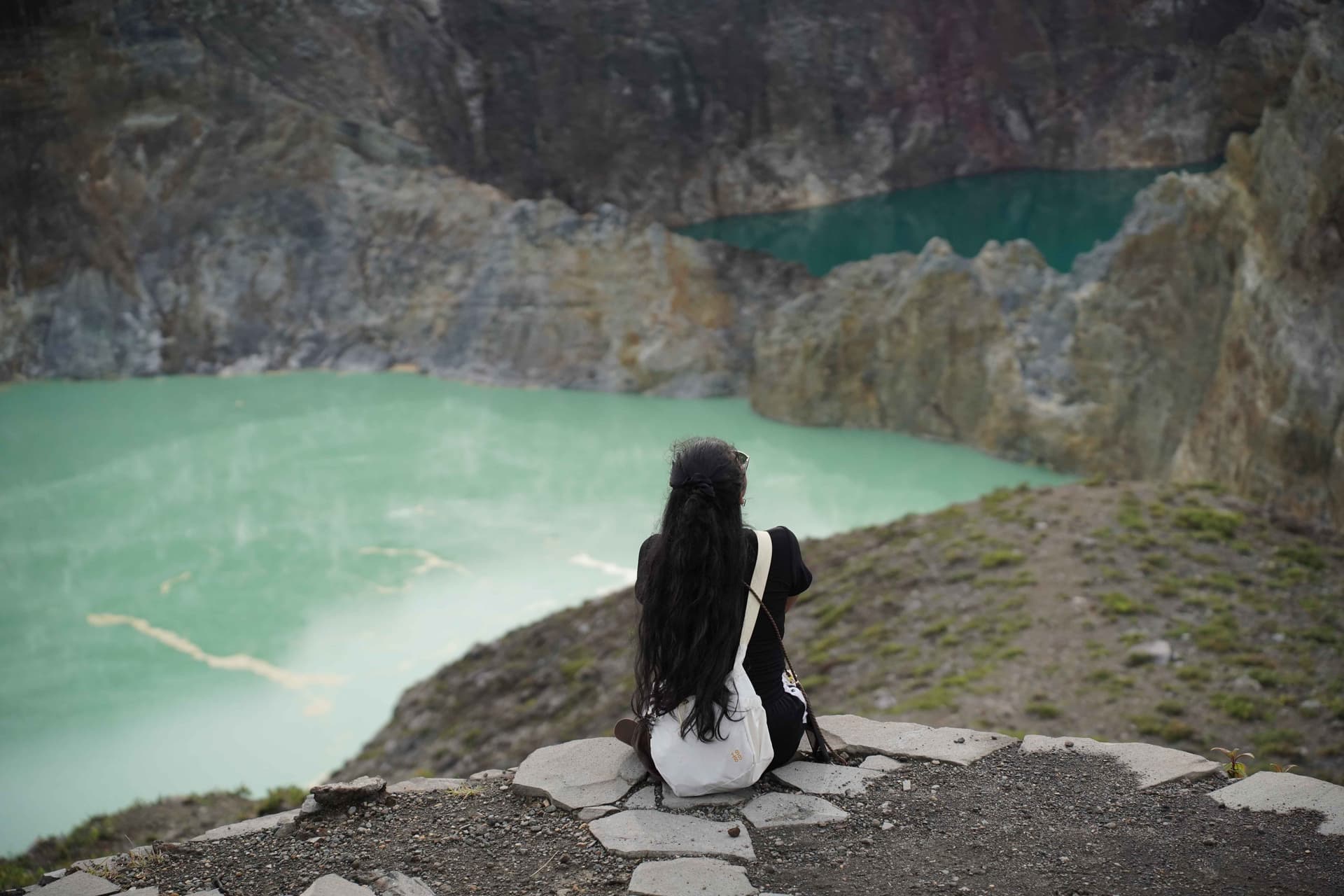
Mystical Kelimutu Sunrise Tour: Explore Flores' Tri-Colored Lakes
flores · 1 Day
Pre-dawn drive to Kelimutu volcano for sunrise over three crater lakes that change color independently. The lakes shift between turquoise, blood red, and ink black — no two visits are the same.
from
$41 USD
FAQ
Is Waerebo suitable for beginners?
Yes, provided you have a baseline fitness level — able to jog for 30 minutes without gasping, for example. The Waerebo trek is not technical (no rock climbing), but it demands stamina for 3.5–4 hours with 400+ meters of elevation gain. If you have never hiked before, start with a shorter trek like Cunca Wulang.
How long is the trek from Denge to Waerebo?
At a relaxed pace with a few photo stops, the trek from the Denge trailhead to Waerebo takes 3.5–4 hours. At an aggressive pace (minimal stops), it can be done in 3 hours. With frequent rests and photo breaks, it can stretch to 5 hours.
What should you bring for the Waerebo trek?
At minimum: hiking/trail shoes, 2 liters of water, energy snacks, a jacket for the cold wind at the top, sunscreen, and a power bank. Optional but useful: a trekking pole (helps your knees on the descent), insect repellent, and an offline map (Google Maps offline works).
Can you hire a local porter or a female guide?
Yes. Some local porters from Denge will carry your bags (IDR 150,000–250,000 per day), and there are also female guides, mostly younger generation from nearby villages. Arrange through an operator or ask directly at a Bajawa homestay.
Is the trek to Waerebo open year-round?
Technically yes, but during the rainy season (December–March) the path turns muddy and rivers rise, making the trek more challenging and slow. Dry season (April–November) is the sweet spot. If you are planning for 2026 and your dates are flexible, aim for May–September.