
Flobamora (Flores, Sumba, Timor, Alor) is not just a tourism destination — it is a region with deep cultural identity, a long history, and landscapes that remain genuinely untouched. This article helps you understand each island without the mainstream tourism myths.
Have you come across the term "Flobamora"? If not, it is an acronym for Flores, Sumba, Timor, and Alor — four large islands that form the heartland of Nusa Tenggara Timur. Most people assume these are simply trending exotic destinations, but Flobamora carries a story that goes much deeper: a region with traditions that have endured for centuries, a complex local economy, and landscapes far removed from mass tourism.
This is not just another travel guide. This is about understanding who lives here, what they protect, and why Flobamora is far more than a photo opportunity.
Flobamora's Geography: More Than Scenery
Pull up a map and Flobamora sits on the front line of eastern Indonesia. Flores stretches roughly 675 km from west to east, with Labuan Bajo at its western tip and Ende at its eastern end. Sumba lies to the south of Flores, separated by a narrow strait. Timor is the largest island in the region — it even shares a border with Timor Leste. Alor sits farthest east, close to Wetar and other smaller islands.
Driving from Labuan Bajo to Ende takes 10–12 hours by road, and it is not a relaxed ride. The road winds along mountain slopes, passes through traditional villages, and every 50 km brings a different story. Flying from Bali to Labuan Bajo takes just 1.5–2 hours at around IDR 800,000–1,800,000, but it is the overland journey that gives you a real sense of what Flobamora is.
balilabuan-bajo~1.5-2 hours direct
IDR 800K–1800KFlobamora's geography is dominated by active volcanoes and limestone hills. Kelimutu, the mountain with three differently colored crater lakes, is the most well-known icon. But there is also Inielika on Alor, Egon and Boleng in eastern Flores, and dozens of other peaks that few tourists visit. This topography is not coincidental — it is the reason local communities have formed in such specific ways.
Flores: Flobamora's Spiritual Heart
Flores is the most recognized island in Flobamora, but most tourists only know Labuan Bajo and Kelimutu. They arrive, climb to the tri-colored lakes, then leave. Yet Flores has three distinct cultural zones that are genuinely different from one another.
West Flores (Labuan Bajo & Surroundings) is the first zone. Labuan Bajo is a port town undergoing rapid transformation — once a small fishing harbor, it now has upscale resorts and trendy restaurants. But if you drive uphill from Labuan Bajo to Ruteng (about 130 km, 4-hour journey), you enter the highlands where the air is cool and the rice-terrace views are extraordinary. Ruteng is the heart of Flores weaving culture. Every household here has a traditional loom, and the women produce cloth with patterns they have learned since childhood.
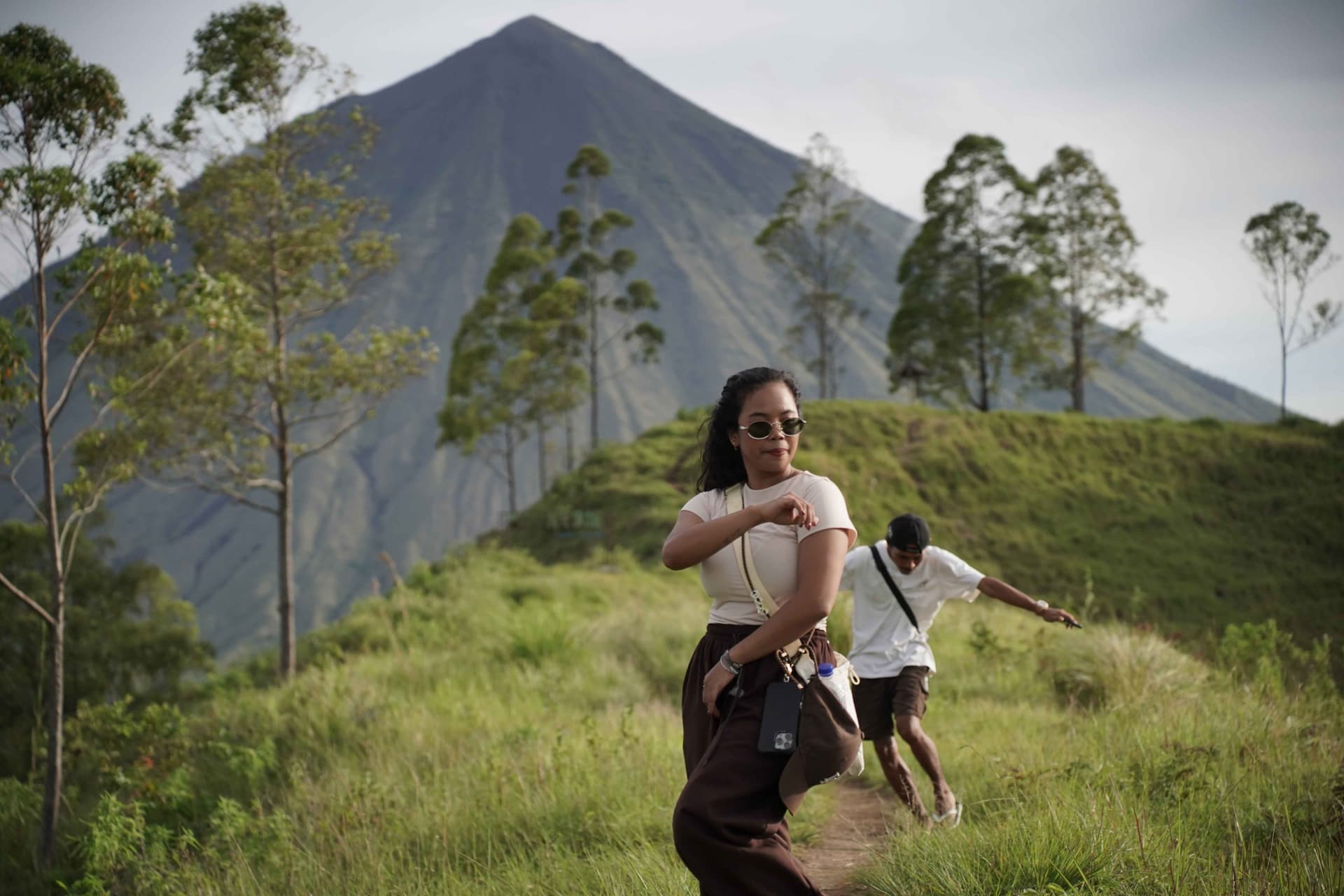
Epic Trans-Flores Overland Tour: Labuan Bajo to Ende Expedition
flores · 6D5N
The complete Trans-Flores overland journey from Labuan Bajo to Ende. Six days through spider-web rice paddies, traditional villages, volcanic hot springs, and the iconic Kelimutu crater lakes. For travelers who want the full Flores experience.
from
$452 USD
Central Flores (Bajawa & Hot Springs) is the second zone. Bajawa sits at 1,200 meters elevation, and its climate can make you question whether you are still in Indonesia. The air is cool, morning fog rolls in during certain months, and locals still uphold traditional customs strictly. Three main traditional villages surround Bajawa: Lembor, Bena, and Desa Adat Kampung Wae Rebo. Wae Rebo is known for its cone-shaped traditional houses, and sleeping there is not merely tourism — it is an experience of becoming part of a community.

Wae Rebo Village Trek (Overnight)
flores · 2D1N
Trek through rainforest, immerse yourself in Wae Rebo’s living culture, and stay overnight in a traditional Mbaru Niang.
from
$119 USD
Do not skip the natural hot springs around Bajawa. There are three main areas: Soa, Mataloko, and Liang. Entry is affordable (IDR 20,000–50,000), the water is genuinely warm, and the mountain views behind them are striking. Locals come here in the afternoon, not tourists.
East Flores (Ende & Kelimutu) is the third zone. Ende is the administrative capital of Flores, and it is from here that most people head to Kelimutu. But Ende itself has a compelling history — this is where Sukarno was once exiled, and the town still guards that narrative carefully. The Ende museum holds a collection of local artifacts rarely featured in larger museums. Kelimutu, the mountain with its legendary tri-colored lakes, requires a 3-hour hike from the village of Moni (about 45 km from Ende). The blue lake (Tiwu Nuwa Muri Koo Fah), the red lake (Tiwu Ata Bupu), and the white/green lake (Tiwu Ata Mbupu) change color throughout the year, and some locals believe they reflect the spiritual state of the world.
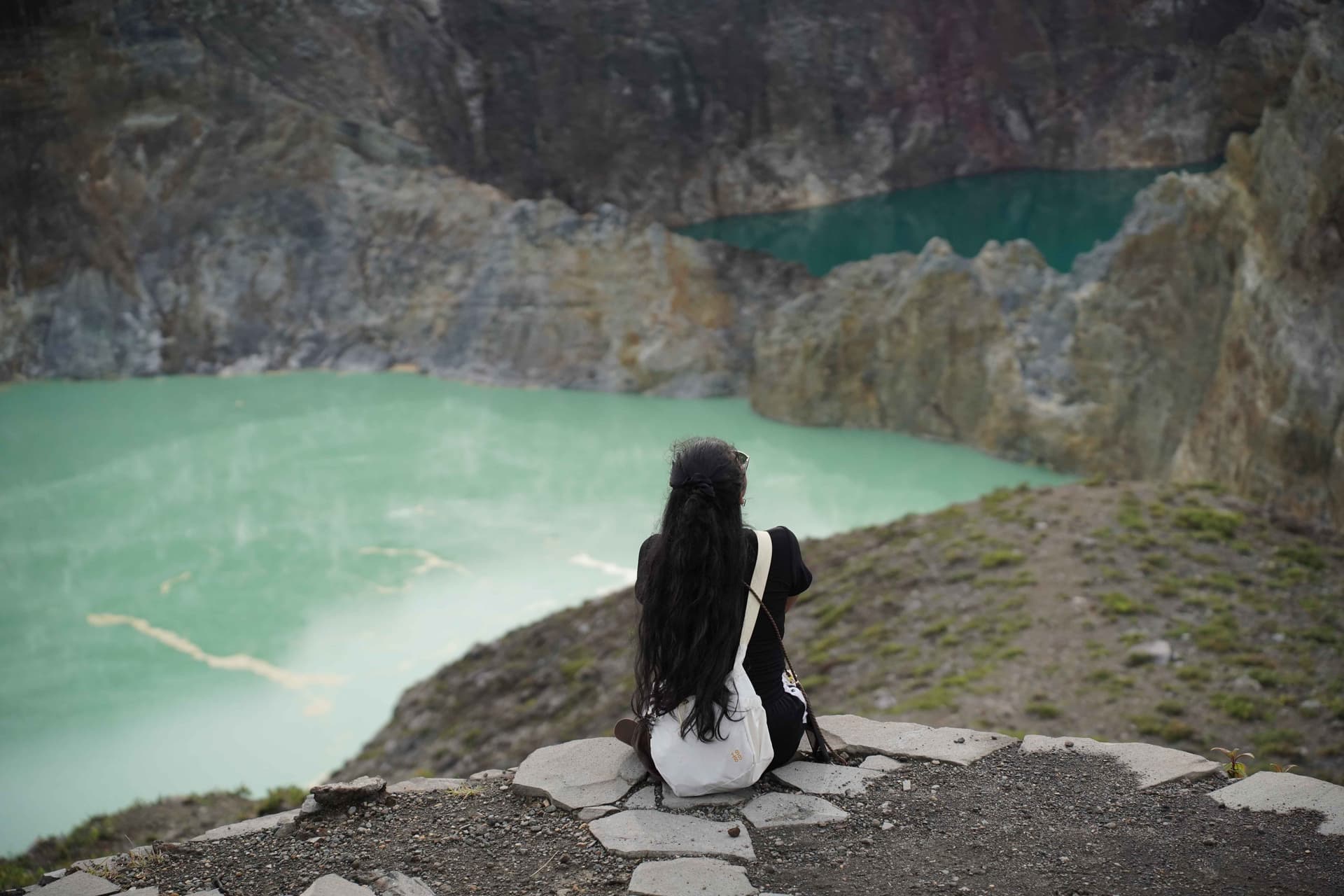
Mystical Kelimutu Sunrise Tour: Explore Flores' Tri-Colored Lakes
flores · 1 Day
Pre-dawn drive to Kelimutu volcano for sunrise over three crater lakes that change color independently. The lakes shift between turquoise, blood red, and ink black — no two visits are the same.
from
$41 USD
Sumba: Red Sand and Ancient Traditions
Sumba is an island frequently confused with Bali or Lombok by tourists who do not know the difference. Sumba is far tougher. The island is dry, barren, and its culture is deeply traditional — to a degree that makes outsiders feel as though they have traveled back in time.
Sumba is known for three things: red-sand beaches, hardy local horses, and the spectacular Pasola tradition. Pasola is a traditional cavalry battle held annually during the rainy season (usually February–March). Two groups on horseback clash on the beach using blunted rattan spears. This is not a tourist show — it is a spiritual ritual involving the entire local community.
Sumba has four kabupaten: Sumba Barat, Sumba Barat Daya, Sumba Tengah, and Sumba Timur. The main airport is at Tambolaka in Sumba Barat (about 1 hour from Ende by charter flight). From there, you can visit traditional villages like Praijing or Rua, where grand houses with towering roofs remain the center of communal life.
Pantai Pasir Merah (Pink Beach) in Sumba Timur is one of Indonesia's only red-sand beaches (two more exist globally, in the Galapagos Islands and Komodo). It takes about 5–6 hours driving from Tambolaka on uneven roads, but the beachscape is genuinely unique. The combination of red sand and transparent blue water feels like a location out of place.
Sumba's economy remains heavily agrarian. Locals raise horses, cattle, and pigs for ceremonial purposes, and the sun is punishing during the dry season. This is a place where you encounter communities that are truly not yet integrated into the global tourism economy.
Timor: Heavy History, Strong Identity
Timor is the largest island in Flobamora. Most of it belongs to Nusa Tenggara Timur (Indonesia), while a smaller portion to the east is Timor Leste (independent since 2002). The provincial capital, Kupang, sits on Timor, and from Kupang you can access the rest of Flobamora.
Timor's history is heavy. The island endured a brutal civil conflict from 1999 to 2002 after Timor Leste chose independence. Many families still have members who disappeared or were injured. But from that trauma, the people of Timor have built a remarkably strong identity.
Kupang is the administrative hub of Nusa Tenggara Timur. It is a modern city with malls, starred hotels, and chaotic traffic — a sharp contrast to the traditional villages just 30 km away. El Tari Airport in Kupang is the main flight hub in the region, with connections to Jakarta (3–4 hours, IDR 1,500,000–3,000,000), Surabaya (2–3 hours, IDR 1,200,000–2,500,000), and other cities.
Around Kupang there are several places worth visiting. Pantai Lasiana is a local beach popular with residents, with white sand and water clear enough for snorkeling. Gua Batu Cermin (Mirror Stone Cave) is a natural cave with unique stalactite formations, and exploring it makes for a solid day adventure.
Timor is also known for its traditional weaving, called "tais." Each area of Timor has its own distinct patterns and colors. Buying tais directly from weavers (not at tourist shops) starts from IDR 200,000 for a simple piece, running up to millions of rupiah for antique and intricate work.
Alor: The Last Frontier
Alor is the farthest-east island in Flobamora, sitting on the border between Indonesia and Timor Leste. The island is gaining recognition as a diving destination, though it has not yet drawn the crowds of Labuan Bajo. The sea around Alor is notably cold (around 23–24°C), and this makes the marine ecosystem here highly productive — abundant fish, coral, and marine creatures rarely seen elsewhere.
Kalabahi is the main town on Alor. Alor has Mali Airport (ARD) in Kalabahi with regular flights from Kupang via TransNusa and Wings Air (about 1 hour). The sea journey gives you time to adjust to Flobamora's slower rhythm.
Alor has several dive sites already well-known among professional divers: Bukit, Pantar, and Pulau Pura. The water is clear, and manta ray sightings are reasonably common. But diving in Alor is not a luxury-resort experience like Bali — this is a local experience with fishermen and local operators who know every corner of the sea.
Alor's culture resembles Timor's, but carries its own character due to geographic isolation. Communities on Alor still maintain hunting and farming traditions, and a cash-based economy has only arrived within the last 20 years. This makes Alor feel like a travel time machine.
Inter-Island Connections: How Flobamora Links Together
If you want to explore more than one island, here are your connection options:
Flores to Sumba: There are flights from Ende to Tambolaka (Sumba) lasting about 45 minutes, priced around IDR 1,500,000–2,000,000. Or from Labuan Bajo, you can charter a small plane (more expensive, around IDR 3,000,000–4,000,000). An alternative is a sea vessel that runs irregularly from Labuan Bajo to Sumbawa then onward to Sumba, but this can take 1–2 days.
Flores to Timor: Flights from Ende to Kupang take about 1 hour, IDR 1,000,000–1,500,000. From Labuan Bajo, you need to fly first to Ende or Maumere, then continue to Kupang.
Timor to Alor: A sea vessel from Kupang to Kalabahi runs 2–3 times per week, taking 8–10 hours, at IDR 150,000–250,000 (much cheaper than flying). There are also small charter planes that are faster but far more expensive.

Flores Overland: Wae Rebo to Kelimutu
flores · 4D3N
The classic Flores overland route from Ruteng to Ende, combining Wae Rebo village trek, Bajawa hot springs, traditional Ngada villages, and Kelimutu sunrise. The road itself is half the experience — volcanic peaks, rice terraces, and roadside markets.
from
$548 USD
These inter-island journeys are not merely transport — they are part of the experience. You meet fishermen, traders, and local travelers from other islands. Every trip is a lesson in how the people of Flobamora actually live.
Culture and Traditions: What You Are Actually Seeing
Flobamora is not a single culture — it is a region with dozens of ethnic groups, languages, and traditions that differ from one another. But several universal themes run through them:
Adat and Ritual: Nearly every community in Flobamora still upholds customary rituals involving the exchange of goods and communal obligations. Marriages, deaths, and harvest celebrations all have strict customary protocols. As a visitor, you cannot simply "watch" — there are ethics