
7 Days in Labuan Bajo 2026 — Classic Route
At a glance
- Getting there: Fly to Labuan Bajo (LBJ) from Bali (1.5 hours), Jakarta, or Surabaya. Most visitors connect through Bali — it is the quickest and most scenic gateway to Komodo.
- Best time: April to June and September to November offer the calmest seas and best diving visibility. The dry season means clear skies for island hopping and reliable manta ray encounters.
- Transport: flight from bali (~1.5 hours direct, IDR 700,000–1,600,000)
7 days in Labuan Bajo, classic route — paced for first-timers but with enough off-script breathing room to feel like yours. This itinerary balances the headline moments (dragons on Rinca, Pink Beach at sunrise, manta rays gliding beneath you) with quieter anchors — a warung meal in town, a sunset drift watching fruit bats leave Kalong, a dawn reef snorkel when the light hits just right. You'll move between land-based exploration and liveaboard rhythm depending on what draws you. The key is building slack into your dates: tides shift, seas churn, and some days the best encounters happen when you stay flexible.
jakartalabuan-bajo~3.5-4 hours connecting
IDR 1200K–2800Kbalilabuan-bajo~1.5 hours direct
IDR 700K–1600Ksurabayalabuan-bajo~2-3 hours direct/connecting
IDR 900K–2000KDay 1 — Arrival & Town Anchor
Flights into Labuan Bajo land between mid-morning and early afternoon. From Bali, the journey is roughly 1.5 hours direct — most visitors book this leg because it's the quickest gateway. (If you're coming from Jakarta or Surabaya, expect 3.5–4 hours and 2–3 hours respectively, often with a Bali connection; flights run IDR 1,200,000–2,800,000 depending on route and airline.)
Once you're through immigration at the small, efficient airport, grab an ojek or pre-arrange a driver for the 15-minute ride into Labuan Bajo town. The ride winds through dry scrub and coastal views — a first preview of the landscape.
Spend your arrival afternoon settling in: check into your guesthouse, find a warung for lunch (Warung Bahari on Jalan Yos Sudarso serves solid grilled fish and gado-gado), and walk the harbor front. Watch the fishing boats tie up, the light turn gold over the bay, and get your bearings. Many liveaboard trips depart early the next morning, so if you're joining a multi-day boat, an overnight in town gives you breathing room and a chance to sync with other travelers.
Eat: Lunch at a waterfront warung; dinner at Pantai Pub for grilled snapper and a sense of the traveler-local mix that defines Labuan Bajo's evening.
Sleep: Guesthouse or hotel in town — budget IDR 400k–800k per night for mid-range comfort.
Day 2 — Rinca & Pink Beach Day Trip (or start of 3D2N liveaboard)
If you've chosen to stay land-based for the first stretch, book a day trip to Rinca Island and Pink Beach. If you're doing a liveaboard, this is your likely departure day — the boat will follow a similar route over 2–4 days, adding overnight anchors and more flexibility.
Land-based day trip timeline:
6:00 AM — Meet your guide at the harbor. A speedboat holds 8–12 passengers and departs for Rinca Island (45 minutes across open water). Bring sunscreen, a hat, and closed shoes; the trek is rocky and the sun unforgiving.
8:00 AM — Ranger trek on Rinca. You'll hike 1–2 hours through dry forest with a licensed ranger (fee: roughly IDR 80k per group). The dragons here are smaller and more active than those on Komodo Island — you'll likely spot them basking or moving between watering holes. The ranger reads the landscape like text; listen closely. The trek ends at a viewpoint overlooking the Flores Sea.
11:00 AM — Return to boat, speedboat to Pink Beach (20 minutes). Snorkel for 45 minutes to an hour in warm, turquoise water. The sand really does have a blush tone — iron oxide in the coral. Schools of trevally cut through the water. Stay close to your guide if you're new to reef snorkeling.
1:00 PM — Lunch on the boat: grilled fish, rice, fresh fruit.
2:30 PM — Optional second snorkel or a rest on Pink Beach before the return journey.
4:30 PM — Speedboat back to Labuan Bajo.
Cost for land-based day trip: Roughly IDR 800k–1.2M per person (includes boat, ranger fee, park entry, lunch). Book through your guesthouse or directly with operators like Komodo Liveaboard.
If you're starting a liveaboard, your boat follows this route over the first 24 hours, but with more time to linger — dawn snorkels, a full evening on deck, and the rhythm of being at sea.
Sleep: Return to town guesthouse OR anchor on the boat if liveaboard.
Day 3 — Manta Point & Komodo Island (or liveaboard continuation)
This day is tidal and seasonal. Manta rays congregate at Manta Point (east of Rinca) during certain currents and months — April to June and September to November are peak season. If conditions align, you'll descend 8–15 meters to watch manta rays glide past like underwater birds, filtering plankton. It's one of those moments that lives in your chest afterward.
If doing a day trip from town:
Early departure (5:30 AM) for the 90-minute boat ride to Manta Point. Drift dive (2 dives, roughly 45 minutes each) with a dive guide. If you're not certified, snorkeling at the surface is possible — the mantas sometimes breach the thermocline. This is not guaranteed; manta encounters depend on current, season, and sheer luck. But on a good day, it's transcendent.
Afternoon — Speedboat to Komodo Island for a ranger trek (2–3 hours, longer and more challenging than Rinca). The dragons here are larger and more territorial. The island is hotter, drier, and more exposed. A strong guide is essential.
Return to Labuan Bajo by evening (exhausting but worthwhile).
If on a liveaboard:
Your boat anchors near Manta Point overnight or dives at first light. The schedule is gentler — you might do a dawn dive, a breakfast on deck, then a second dive in late morning. Afternoon could be a snorkel at another site (Banta, Gili Lawa) or rest on deck with books and the horizon.
Dive/snorkel cost (day trip): IDR 1.5M–2M per person (includes boat, 2 dives/snorkels, guide, gear if needed).
Sleep: Town guesthouse or on the boat.
Day 4 — Gili Lawa & Snorkel Drift (or sail & anchor rhythm)
By Day 4, you've hit the headline moments. Now the pace shifts. Gili Lawa Darat (the larger of two small islands west of Rinca) is a perch point — you climb 30 minutes for a viewpoint over the archipelago, or skip the trek and snorkel the reef below.
Land-based option:
Take a slower day trip focusing on Gili Lawa and nearby reefs. Boat departs 7:00 AM, arrives 8:30 AM. Trek the viewpoint (optional; it's hot and repetitive after Rinca). Snorkel 10:00 AM–noon. Lunch on the boat. Afternoon snorkel at Banta or Gili Meno (a nearby smaller island with excellent soft coral). Return 4:00 PM.
Liveaboard option:
You're already there. Wake early and snorkel before the other boats arrive. Spend the afternoon drifting at another site, or anchor in a quiet bay and swim. The liveaboard advantage is flexibility and quiet — you catch the reefs when the light is best and the boats are thin.
Sleep: Town guesthouse or boat.
Day 5 — Kalong Sunset Cruise & Town Evening
By mid-week, ease into a partial rest day. The Kalong (Bat Island) sunset cruise is iconic and brief — it breaks up the rhythm while keeping the adventure alive.
Afternoon/Evening:
Around 4:00 PM, head to the harbor for a sunset cruise to Kalong. The boat takes 30–40 minutes to reach the island, where thousands of fruit bats (flying foxes) roost in the mangrove canopy. At dusk, they launch — a shadow-wave of wings against the orange sky. It's surreal and entirely unrushed. The boat lingers, and you watch the light drain from the water while the bats stream overhead.
Return to town by 7:00 PM. Spend the evening exploring — grab dinner at a warung in the backstreets (Rumah Makan Sejahtera, tucked near the market, serves nasi padang and local fish), browse the small shops along the harbor, or sit on a café terrace and journal.

Sailing Slow, Chasing Sunsets: 6-Hour Classic Wooden Boat Escape
labuan-bajo · 1 Day
Leave the rush behind and step aboard our classic wooden boat for a 6-hour afternoon escape. Drift through the Komodo archipelago at a relaxed pace, perfectly balancing vibrant ocean exploration with the breathtaking natural spectacle of Kalong Island at twilight.
from
$32 USD
Cost: Roughly IDR 250k–400k per person for the sunset cruise.
Sleep: Guesthouse in town.
Day 6 — Overland Escape or Liveaboard Return
By Day 6, you've logged most of the classic sights. Use this day to either:
Option A — Overland to Ruteng or Bajawa (if you have 8+ days total):
Rent a driver and motorbike, or join a shared transport tour heading inland. The road from Labuan Bajo to Ruteng (2.5–3 hours) climbs into cooler highlands, passing terraced rice paddies and traditional villages. Stay overnight in Ruteng, visit Crater Lake (Danau Segara Anak), and return to Labuan Bajo on Day 7, or push onward to Bajawa for higher altitude and geothermal hot springs. This is off-script but deeply rewarding if you're not exclusively sea-focused.
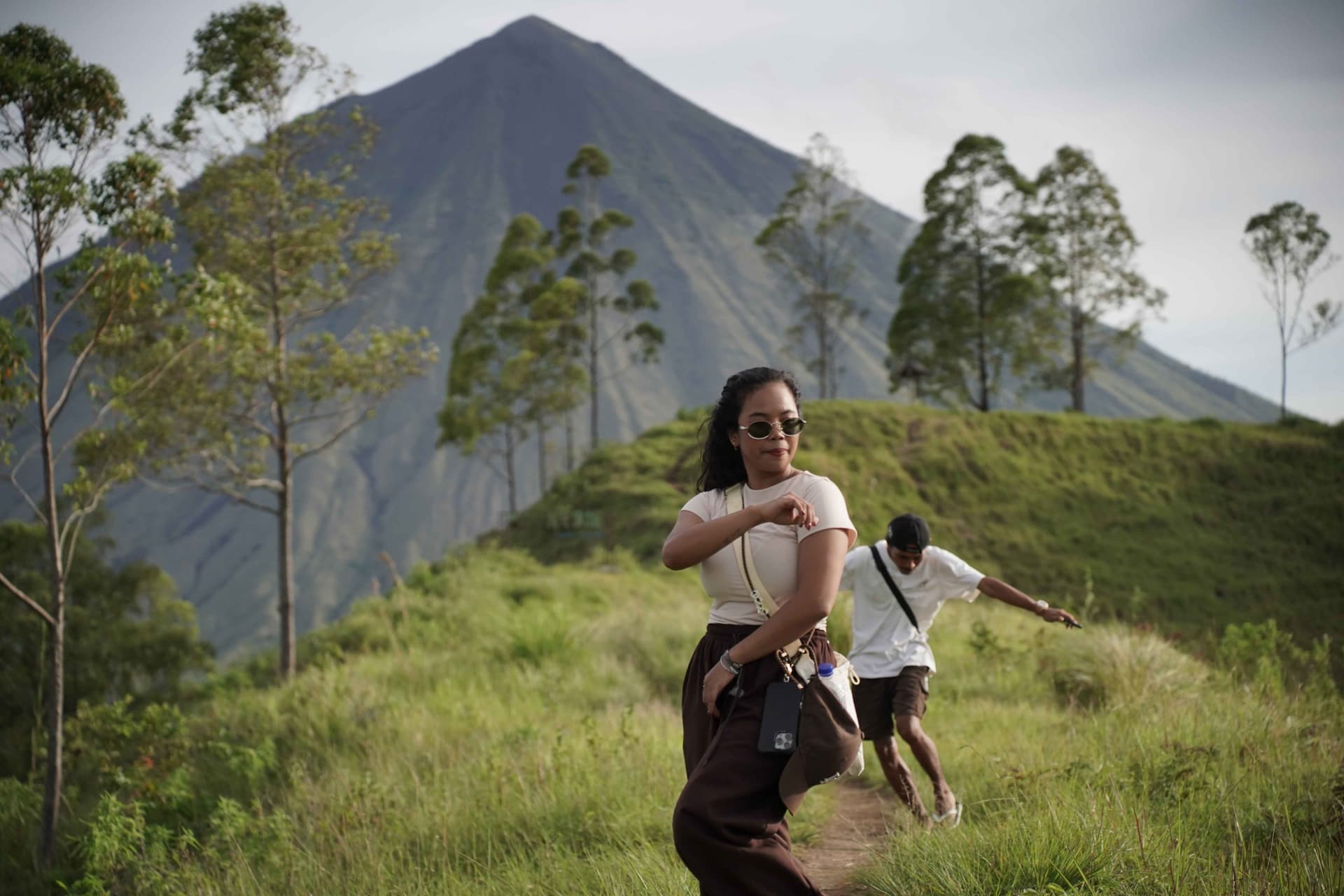
Epic Trans-Flores Overland Tour: Labuan Bajo to Ende Expedition
flores · 6D5N
The complete Trans-Flores overland journey from Labuan Bajo to Ende. Six days through spider-web rice paddies, traditional villages, volcanic hot springs, and the iconic Kelimutu crater lakes. For travelers who want the full Flores experience.
from
$452 USD
Option B — Slow Return from Liveaboard:
If you're on a 4-day liveaboard that departs Day 2, you're returning to harbor today. The boat motor's back in the morning or early afternoon, giving you the afternoon to rest, shower, and eat real meals on solid ground. This is a good rest day before Day 7.
Option C — Stay-and-Relax in Town:
Do a short snorkel trip to a nearby reef (Sebayur or Seraya, 20–30 minutes by boat), then spend the afternoon at a beachside warung with fresh juice and a book. You've earned it.
Sleep: Guesthouse in town, or inland in Ruteng if you've chosen the overland push.
Day 7 — Departure or Extension
Most 7-day itineraries end here. If your flight home departs afternoon or evening, spend the morning in town — one last warung breakfast, a final walk through the harbor market (it's alive before 9:00 AM), and a slow drive to the airport.
If you're extending, Day 7 is a reset point. You could add a 2–3 day overland trip to Flores's highlands, or a sailing journey onward to Lombok (the Labuan Bajo to Lombok route takes 4–5 days by sailboat and includes island-hops and snorkeling stops).

Labuan Bajo to Lombok Sailing
labuan-bajo · 4D3N
Experience a Labuan Bajo to Lombok sailing trip and explore Komodo Island, Padar Island, Pink Beach, and beautiful Indonesian islands along the way.
from
$394 USD
Tweak the order to your interest — manta encounters move with currents and seasons, so some days are best swapped based on real-time conditions. Rinca's dragons are most active in early morning and late afternoon. Sunset at Kalong shifts 30 minutes depending on the month. Talk to your guide, your boat crew, or your guesthouse host the night before each day trip — they'll adjust the rhythm to what's actually happening on the water.
When your dates firm up, the tours on this page handle the logistics.