Field Notes 2026: Labuan Bajo Off the Beaten Track
At a glance
- Getting there: Fly to Labuan Bajo (LBJ) from Bali (1.5 hours), Jakarta, or Surabaya. Most visitors connect through Bali — it is the quickest and most scenic gateway to Komodo.
- Best time: April to June and September to November offer the calmest seas and best diving visibility. The dry season means clear skies for island hopping and reliable manta ray encounters.
- Transport: flight from bali (~1.5 hours direct, IDR 700,000–1,600,000)
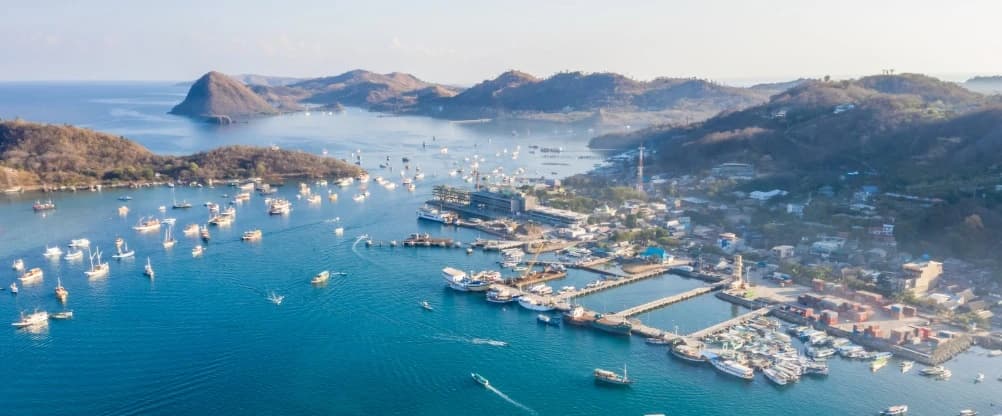
We left Labuan Bajo at 5:15 am — sun still pinking the sky over Wae Cicu Bay, the fishing boats already cutting through glassy water. The town itself was stirring: warung owners sweeping their thresholds, ojek riders clustering near the port, the smell of grilled fish and coffee drifting up from the harbor. This is the Labuan Bajo most visitors don't see — not the polished tour decks or the Instagram-famous Pink Beach, but the working rhythm of a place that's learned to live between its old self and its new one.
The port sprawl has transformed over five years. Where there were three speedboats, there are now twenty. Where fishermen once dominated the morning departure, liveaboard crews now outnumber them three-to-one. Yet if you slip away from the main harbor loop — past the newer tour operators' offices, down to the eastern docks where the fishing simaksi still tie up — you find a different Labuan Bajo entirely.
jakartalabuan-bajo~3.5-4 hours connecting
IDR 1200K–2800Kbalilabuan-bajo~1.5 hours direct
IDR 700K–1600Ksurabayalabuan-bajo~2-3 hours direct/connecting
IDR 900K–2000KMorning rhythm: the eastern harbor
The eastern docks, about 2 kilometers from the town center (a 10-minute ojek ride, Rp 50k), operate on tidal schedules that most tour itineraries ignore. We watched gillnet crews sort their overnight catch — jack, mackerel, grouper, sometimes tuna — while auction buyers called prices in rapid Bahasa. The work is honest and relentless, and the crews don't perform for cameras. One fisherman, noticing us watching, simply gestured: sunrise was better from the water. He wasn't wrong.
If you want to skip the curated sunrise tours and see the bay as locals do, hire a small fishing boat from the eastern dock. Negotiate directly with the captains — expect to pay around Rp 400k–600k for a 2-hour pre-dawn drift. You'll motor out toward Gili Motang and Gili Laba, watching the light build while dolphins surface and the first dive boats prepare their anchor lines. No commentary, no choreography. Bring your own coffee in a thermos; the crews will share their breakfast of rice and salted fish if you ask.
Warung culture: eating where locals eat
The main harbor strip — Jalan Panglima Sudirman and the parallel streets — hosts every accommodation and restaurant pitched at tourists. The warung that matter, though, are inland by three or four blocks. Warung Sapphire (no signage, just a blue plastic table under a mango tree on Jalan Yos Sudarso, 8 am–11 am daily) serves the best soto ayam in town — turmeric-dark broth, shredded chicken, potato, and a squeeze of lime that burns and heals at once. Cost: Rp 35k. The owner, Ibu Siti, has cooked there for eighteen years. She knows when the mango is ripe and what the weather will do three days ahead.
Warung Selamat (also unmarked, a pink concrete counter on a side street near the football field) opens at 6 am and closes when the food runs out, usually by 10:30 am. Gado-gado here is not the tourist-softened version — the vegetables are barely cooked, the peanut sauce has actual bite, and the egg is still warm. Cost: Rp 40k. Most mornings, you'll sit next to boat captains, construction workers, and school kids. No English menu, no pictures on the wall. Pure refuel.
The market: Pasar Madya
Pasar Madya, the central market about 1.5 kilometers east of the port (Rp 40k by ojek), opens at 5:30 am and reaches peak chaos by 7 am. The morning fish section — rows of ice and silver bodies — smells like salt and the honest work of the sea. Vendors know exactly which fish arrived overnight, which were caught three days ago. If you're staying in a room with kitchen access, buy your lunch here: red snapper (Rp 100k–150k per kilogram), squid (Rp 80k–120k per kilogram), morning greens like kale and spinach for Rp 15k–25k per bunch.
The market is where tour operators' drivers buy supplies for liveaboard provisioning. You'll see crew members filling coolers with produce, ice, and fresh meat. The rhythm is pure transaction — no tourism patina. Bring small cash and comfortable shoes; the floor is wet and the crowds move fast.
Beyond the harbor: inland villages
If you have a spare afternoon and a curiosity for places that don't appear in tour marketing, hire an ojek from town and ask to be taken to Golo Hilir, a village about 8 kilometers inland (Rp 150k round-trip with a 2-hour wait). The landscape shifts immediately — from coastal bustle to rice paddies, low hills, and houses where goats wander between buildings. The village has a small warung where we drank sweet tea and ate fried cassava. No tourists asked for directions while we were there. No one spoke English. The interaction was pure commerce: coins for food, a smile, a wave.
The same driver can take you to Loh Liang Waterfall, closer to town (about 5 kilometers, Rp 100k each way). The hike is 20 minutes through scrub forest, and the waterfall itself is small — a ribbon of water into a pool barely larger than a bathtub. But it's where local families swim on weekends, and there's no entrance fee, no ranger tour, no photo backdrop. Just water, trees, and the particular quiet of a place that isn't optimized for visitors.
The evening reframe
By 5 pm, Labuan Bajo's harbor recalibrates. The day tours return, the sunset-cruise boats depart, and the liveaboards prepare for sea. We ate grilled mahi-mahi at a small warung on the eastern waterfront — not in a restaurant, but at a wooden counter overlooking the bay — and watched the light drain from coral to purple. The fishing boats were heading out for night fishing, their lanterns already glowing. A kapal pinisi under full sail cut across the bay toward Rinca, and the muezzin's call echoed from the mosque at town's edge.
This is Labuan Bajo when it's not performing. The working harbor, the ordinary rhythms, the warung where locals eat because the food is good and the price is fair. If you build even one morning or one afternoon into your Labuan Bajo itinerary with space for wandering — east of the main strip, away from the tour-operator clusters — you'll meet the place as it actually is, not as it's been packaged for you.

Sailing Slow, Chasing Sunsets: 6-Hour Classic Wooden Boat Escape
labuan-bajo · 1 Day
Leave the rush behind and step aboard our classic wooden boat for a 6-hour afternoon escape. Drift through the Komodo archipelago at a relaxed pace, perfectly balancing vibrant ocean exploration with the breathtaking natural spectacle of Kalong Island at twilight.
from
$32 USD
When your dates firm up, the multi-day sailing tours and liveaboards anchor in these same waters — but they move fast by design. The off-beat rhythm, though, is always waiting in the margins.