
Planning your first Komodo trip? Here's what to know before you go. 2026
At a glance
- Getting there: Fly to Labuan Bajo (LBJ) from Bali (1.5 hours), Jakarta, or Surabaya. Most visitors connect through Bali — it is the quickest and most scenic gateway to the park.
- Best time: April to June and September to November offer the calmest seas and best diving visibility. The dry season means clear skies for island hopping and reliable manta ray encounters.
- Transport: flight from bali (~1.5 hours direct, IDR 700,000–1,600,000)
1. Fly into Labuan Bajo—and plan arrival time carefully
Most visitors reach Komodo by flying to Labuan Bajo (LBJ), the gateway town on Flores island. From Bali, it's a quick 1.5-hour flight—the most common route, with fares around IDR 700,000–1,600,000 depending on season and airline. From Jakarta, expect 3.5–4 hours with a connection (IDR 1,200,000–2,800,000). Surabaya flights are 2–3 hours direct or connecting (IDR 900,000–2,000,000).
Arrive early enough to settle into town, grab a meal at a warung, and brief your tour operator on any dietary needs or diving certifications. Most liveaboards depart early next morning—arriving the evening before keeps things relaxed.
balikomodo~1.5 hours direct
IDR 700K–1600K2. Pick your travel mode: day trip, liveaboard, or hybrid
You have three realistic options depending on time and budget.
Day trips hit the highlights in one hit—Padar Island viewpoint, Pink Beach snorkeling, and Manta Point if currents cooperate.
Komodo Day Trip: Padar, Pink Beach & Dragons in 1 Day
komodo · 1 Day · 4.8
Experience Padar Island, Pink Beach, Komodo dragons, snorkeling, and Kalong Island—all in one unforgettable day from Labuan Bajo
from
$142 USD
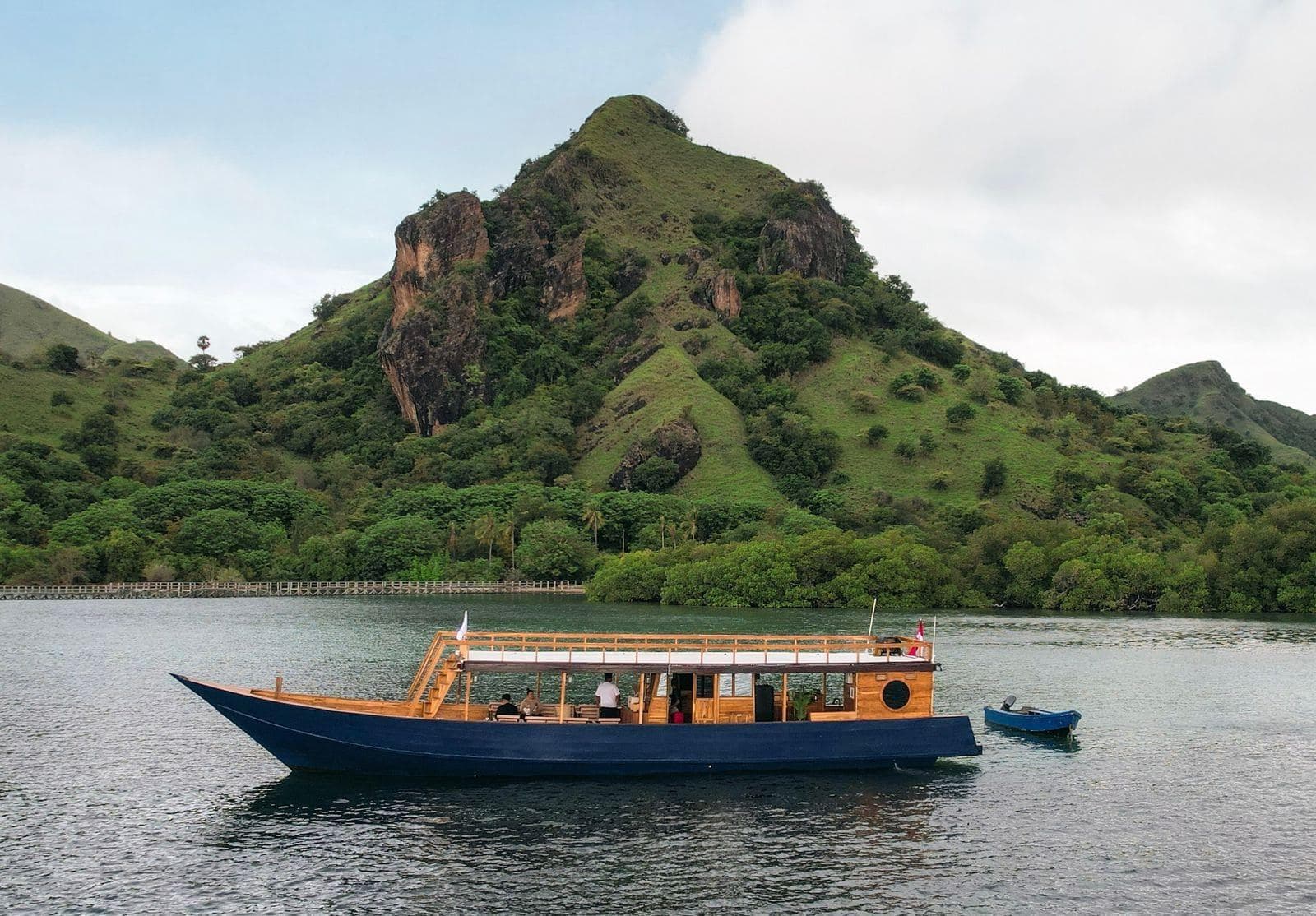
Liveaboards let you sleep on deck, wake at viewpoints, and repeat favorite reefs. 3–4 day trips range from budget-friendly open-group sailings ($242 for a 3D2N Phinisi) to more spacious cabins with creature comforts ($306–500). pairs liveaboard pace with upgraded cabins. Best for: divers, early-risers, those who want to slow down.
Manta-only snorkeling if your window is 2–3 hours—Manta Point day trips run $77 and focus entirely on drift-snorkeling with seasonal manta encounters.
3. Book during the right season—April–June and September–November
Dry months (April–October) mean calm seas, clear skies, and visibility that peaks around 25–40 meters underwater. Within that window, April–June and September–November are sweet spots: fewer crowds, stable currents, and manta rays actively feeding.
Wet season (November–March) brings choppier crossings and occasional trip cancellations due to swell—though some divers swear by it for richer marine color and occasional surprise mantas. Skip January–February if you're risk-averse; September and October are your best bets if you want to time it for manta encounters.
4. Know what to pack—and what you'll want twice
Bring reef-safe sunscreen (local warung stock is limited), a rash guard or lycra top for snorkeling, and closed-toe hiking shoes for dragon treks on Rinca Island—sharp volcanic rock and uneven terrain make flip-flops a mistake. Pack a dry bag for cameras and a light rain jacket for early-morning boat rides when spray is heavy.
You'll use sunscreen twice daily. A small towel dries fast in the heat. Seasickness medication (ginger, patches, or prescription) is worth considering if you're prone to it—open-water crossings can be lumpy in shoulder months.
5. Budget for park fees and ranger guide costs
Komodo National Park entry: ~IDR 250,000 on weekdays, IDR 450,000 weekends (Indonesian rates are lower; foreign rates ~$15–25). Ranger guide for a Rinca dragon trek is mandatory and costs roughly IDR 80,000 per group. Boat fees vary by operator but typically run IDR 100,000–150,000 per group for short crossings between islands.
Most tour operators bundle these into their quoted price, so clarify upfront. Day trips and liveaboards usually include park fees; private boat hire may not.
6. Understand the rhythm of a typical liveaboard day
Wake early (5:30–6:00 am) to catch sunrise from a ridge or anchored deck. Breakfast, then snorkel or dive. Lunch aboard, afternoon activity (another dive, island visit, or rest). Dinner at anchor, often accompanied by sunset from the upper deck or a nearby island. Internet is patchy to nonexistent on deck—embrace it.
Most liveaboards run a morning and afternoon activity plus one longer dive or snorkel. Days feel full but unhurried if paced right.
7. Know your diving and snorkeling realistic limits
Snorkeling requires no certification and happens in shallower, calmer zones—Pink Beach, sheltered bays, and manta encounters in 3–8 meters. Open-water snorkelers can typically participate in all snorkel stops.
Diving requires an open-water or equivalent card. Some sites (Manta Point drift dive, deeper reefs) are advanced-only. If you're a beginner, mention it to your operator—they can recommend shallower, calmer sites or offer a refresh dive in Labuan Bajo before heading out.
8. Connect with your operator before you arrive
Message your tour operator 2–3 days before departure with:
- Any dietary restrictions (vegetarian, allergies, halal preference)
- Diving certification level and experience
- Any medications or medical concerns
- Preferred wake-up time and activity intensity
- Camera or underwater photography needs
This prevents day-of scrambles and ensures your guide knows what matters to you.
Browse our curated Komodo tours when your dates are firm—whether a half-day manta snorkel or a full liveaboard, early booking locks better cabins and group dynamics.