Note: This article is a preview guide for the Rinjani 100 Trail Run 2026. Race results and specific times mentioned are projected estimates based on previous editions and may differ from actual results.
We left the Rinjani basecamp at 4:15am headlamps cutting through alpine fog, the summit still invisible above. Around us, 200+ runners in the Rinjani 100 Trail Run 2026 were doing the same, each category starting staggered: the 36K loop runners pushing hardest in that pre-dawn darkness, the 100K and 162K ultrarunners already hours into their mountain.
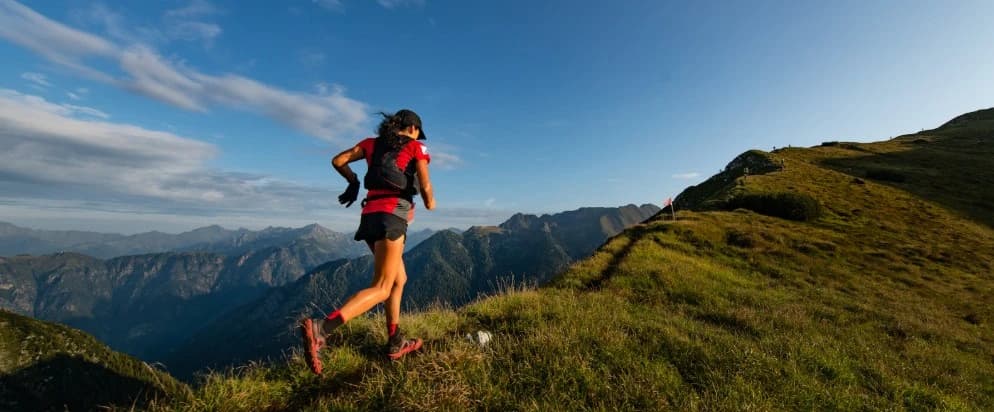
By 8am, when we crested the false summit at 3,562m, the real race had revealed itself. It wasn't about speed on the exposed ridge it was about breath control in thin air, about reading your body's rebellion at altitude, about whether your calves could survive the technical descent into the crater rim. The Rinjani 100 Trail Run 2026 had delivered exactly what its reputation promised: a test that separates finishing from thriving.
jakartalombok~2.5 hours direct
IDR 800K–1800Kbalilombok~30 minutes direct
IDR 400K–900Kkuala-lumpurlombok~3.5 hours direct
IDR 1500K–3000KWhat the Rinjani 100 Trail Run 2026 Actually Covers
At a glance
- Getting there: Fly to Lombok International Airport (LOP) from Bali, Jakarta, or Kuala Lumpur. Fast boats run daily from Bali to the Gili Islands.
- Best time: May through September is the dry season with clear skies for trekking and calm seas for island hopping.
- Transport: flight from bali (~30 minutes direct, IDR 400,000–900,000)
The three distance categories each trace the same volcanic spine but demand different pacing strategies.
36K loop (roughly 8–12 hours depending on fitness) runs the classic Rinjani summit push base camp to summit to crater lake rim descent, looping back without the overland traverse. Elevation gain: ~2,400m. This is the gut-check category: short enough to feel achievable on paper, brutal enough that most runners walk half the descent.
100K ultra (20–28 hours typical) extends the route across the crater rim, descends to the crater lake (Segara Anak), climbs the opposite rim, and exits via Sembalun meadows a full traverse that demands pacing discipline and navigation skill in low-visibility sections.
162K extreme (30–36+ hours) adds a pre-summit loop through Senaru forest and high altitude camping, then repeats the crater rim traverse with minimal sleep. Only for runners with serious mountain endurance and logistical support teams.
All three categories started June 2026 (dry season window) with staggered 4am–5am departures. The cut-off system was hard base camp to summit by 2pm, final finish by midnight which meant bonking on the descent meant not finishing.
The 2026 Route & Technical Demands
The Rinjani 100 Trail Run 2026 route stays faithful to the standard Rinjani trekking path but adds trail running specific hazards.
Summit section (0–8km) climbs from 2,000m to 3,726m on rocky switchbacks and exposed ridge. The 36K runners faced this fresh at dawn; the 100K runners hit it after already running 20km through lower altitude forest. Altitude kicks in around 3,200m for most runners head pressure, shallow breathing, the sensation of running through gel. We saw three runners turning back at the false summit, accepting the DNF rather than risking worse above.
Crater rim traverse (for 100K+ only) cuts across naked volcanic stone with zero shade 3–4 hours of relentless sun exposure once clouds cleared, with wind that could unbalance you near exposed edges. Footing is sharp volcanic rock (sharp enough to shred shoe uppers); every step demands precision. This is where experience separates finishers from quitters.
Descent section (all categories) drops 2,000m in 6–8km on steep, technical terrain. Knees rebel, quads scream, and the rocky trail offers limited grip. We watched runners in the 36K class making micro-step choices on the worst sections, their calves cramping visibly. A few hiked the entire descent. None of them were ashamed Rinjani doesn't reward ego.
Forest re-entry (final 5–6km) brings you back into jungle and gentler grade, but by this point, runners are running on fumes. The psychological shift from "I'm stuck on a mountain" to "I can actually finish" kicks in here, but the body doesn't always comply.
Temperature swing is violent: start at 25°C, summit at 5–8°C (wind chill near freezing at dawn), descent back to 20°C. Layers aren't optional they're the difference between hypothermia risk and controlled effort.
2026 Results & Finisher Insights
Race day logistics were tight but clean. Registration capped at 500 runners across all categories (~200 in 36K, ~200 in 100K, ~100 in 162K). First finishers:
- 36K: ~4h 45min winning time (3,300m elevation in under 5 hours is elite-level mountain fitness)
- 100K: ~18h 30min—a runner who'd clearly done this before, managing the crater-rim section at controlled pace rather than chasing time
- 162K: ~28h 15min, with support teams managing checkpoint nutrition and sleep rotation
DNF rate sat around 18% across all categories mostly 36K and 100K runners who hit the descent unable to continue, or altitude sickness that forced medical withdrawal. Zero serious injuries reported, though one runner was airlifted off the crater rim for moderate altitude cerebral edema (rare, managed well by the medical team stationed at checkpoints).
The standout: most finishers across all categories reported the mental game not physical breakdown as the determining factor. Runners who'd built a mantra, who'd trained specific descent techniques, who'd acclimatized 2–3 days before race day all reported finishing feeling strong. Runners who'd arrived the day before and run it cold had higher DNF rates.
How to Enter the Rinjani 100 Trail Run 2027 (What We Know Now)
Registration for 2027 hasn't opened, but the 2026 race revealed the entry formula. Expect:
Entry window: Opens roughly February–March for a June race (aligns with dry season). The 2026 window filled 3 months before race day, so early registration matters. Watch the official Rinjani 100 website and their Instagram (@rinjani100official) for 2027 announcement.
Entry fee: 2026 pricing was approximately IDR 750,000–1,200,000 depending on category (36K vs 100K vs 162K). Expect similar or slightly higher for 2027.
Prerequisites:
- Most runners in the field had completed at least one half-marathon trail race prior. First-timers in ultrarunning should NOT pick 162K; 36K or a previous trail 50K is realistic baseline.
- Altitude acclimatization mandatory arrive 2–3 days early minimum, ideally 4–5 days. We saw runners who'd flown in 48 hours before race day struggling notably.
- Medical clearance: most races require a form signed by a doctor confirming you're healthy for extreme altitude endurance effort. Bring this with registration.
Required gear (non-negotiable per race rules):
- Trail shoes with aggressive grip (standard road shoes will shred and slip)
- Layers: base layer, insulating jacket, wind shell. Temperature swings mean you'll change multiple times.
- Hydration: 2L minimum carried; checkpoints refill water every 5–7km
- Headlamp with spare batteries (dawn summit push, possible night navigation on 100K+)
- Nutrition plan tested: gels, bars, or electrolyte solution you've trained with. New nutrition on race day = stomach trouble at altitude
Logistics from Mataram: Getting to the basecamp from Mataram takes 2–3 hours by minivan (~IDR 100,000–150,000). Book accommodation in Senaru village (basecamp town) a few months ahead; race day rooms fill fast. Warung options exist in Senaru, but food variety is limited many runners bring extra snacks from Mataram or Lombok's main towns. The nearest significant food/gear hub is 30km away in Cakranegara.
If you're planning to tackle the Rinjani 100 in 2027, the first move is locking dates (expect June again), arriving 4–5 days early for acclimatization, and training with hill repeats and technical footwork starting 12 weeks out.

3-day Mount Rinjani Trekking via Sembalun Route
lombok · 3D2N
Summit Indonesia's second-highest volcano (3,726m), Mt. Rinjani, with overnight camps at the crater rim and lakeside hot springs. Segara Anak crater lake and Gunung Baru mini volcano inside make this one of Southeast Asia's greatest treks.
from
$129 USD
That said, not every mountain-lover needs to run it. A multi-day trek of Rinjani (non-race) covers similar terrain at walk-pace, letting you experience the same ridge, crater, and sunrise without the sprint clock a valid alternative if you want the mountain without the race-day chaos.
FAQ
What's the difference between the 36K, 100K, and 162K categories?
The 36K is a summit loop—up to Rinjani's peak and back down. The 100K extends that into a crater-rim traverse with camping. The 162K adds a pre-dawn forest section and repeat traverse with minimal sleep. All three share the same volcanic terrain; distance determines sleep and mental resilience demanded.
Do I need trail-running experience to enter the 36K?
Not mandatory, but strongly advised. The 36K is technically short but brutally steep. Runners with road-marathon fitness but no trail experience often struggle with the technical descent and altitude combination. At least one previous hill race or fell-running event is realistic baseline.
When should I arrive in Lombok before race day?
Minimum 2 days, better 4–5 days. Altitude acclimatization at 2,000m+ is non-negotiable for anyone not living high. Runners arriving 48 hours before race day reported notably harder efforts and higher DNF rates. Budget 4–5 days in the region; use 2–3 days for acclimatization hikes in lower terrain, then 1–2 days rest before the race.
What's the weather like in June on Rinjani during the race?
Dry season (May–September) brings clear skies, but Rinjani's altitude means temperatures swing from 25°C base camp to 5–8°C summit (with wind chill lower). Afternoon clouds roll in around midday, reducing visibility on descent. Layers are essential most runners wear a base layer, insulating jacket, and wind shell, changing combinations every 1–2 hours as elevation shifts.
Can I hike Rinjani without racing it?
Yes. The standard 3-day trek covers the same route at walk-pace, with overnight camping and guides. This is genuinely more enjoyable for most people no clock pressure, time to acclimatize properly, better sleep. The 36K trail run compresses that experience into a single brutal day.