
"Planning your Flores trip? Here are 10 things we'd actually do, and why they earn a place on every serious itinerary."
Flores doesn't hand you its best moments. It asks for early alarms, winding roads, and a genuine willingness to go slow. That's exactly why it rewards you. Below, the top 10 things to do in Flores not a generic checklist, but the experiences that actually define this island for anyone who makes the journey.
1. Watch the tri-color crater lakes of Kelimutu change at sunrise
Kelimutu's three volcanic crater lakes sit side by side on the same mountain and hold three completely different colors teal, ink-black, and brick-red, owing to distinct mineral compositions that shift season by season. No photograph quite captures it until you're standing on the rim at first light, watching the colors sharpen as the sky brightens. The 1.5-kilometer walk from the park gate to the summit takes about 30–45 minutes at a calm pace. Gate opens at 4am; plan to arrive by 4:30am for sunrise. Park entry: Rp 30,000 weekday, Rp 47,500 weekend.
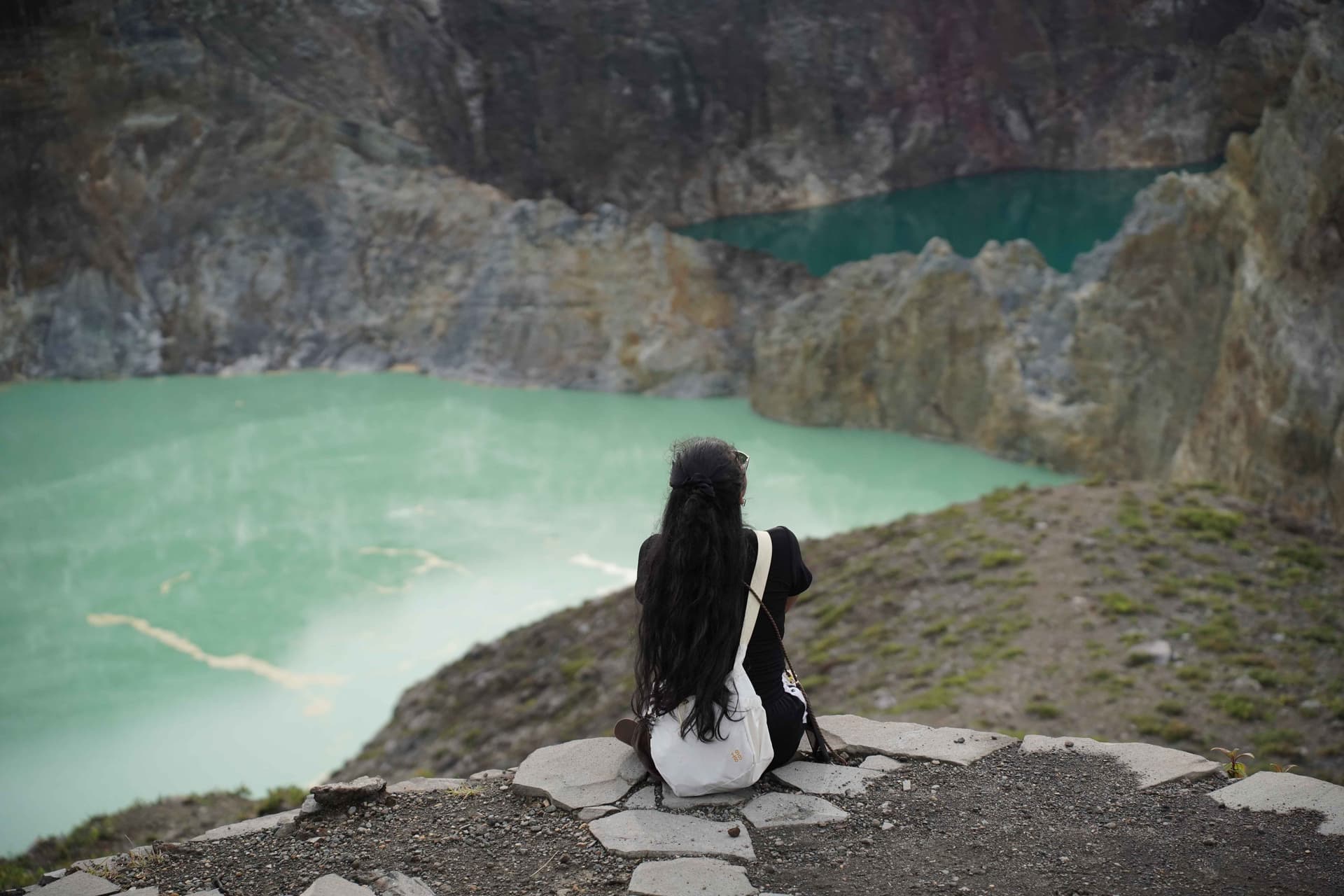
Mystical Kelimutu Sunrise Tour: Explore Flores' Tri-Colored Lakes
flores · 1 Day
Pre-dawn drive to Kelimutu volcano for sunrise over three crater lakes that change color independently. The lakes shift between turquoise, blood red, and ink black — no two visits are the same.
from
$41 USD
2. Sleep inside the cone-roofed village of Wae Rebo
Wae Rebo is one of the few traditional Manggarai villages still living inside its ancestral mbaru niang the tall, cone-thatched communal houses that taper to a point nearly ten meters overhead. The village sits at roughly 1,200 meters elevation, surrounded by coffee-growing forest, and the only way in is a 9-kilometer (roughly 3–4 hour) forest trek from the trailhead at Denge. You arrive, receive a welcome ceremony, share a meal, and sleep in the communal house. One night minimum, it earns its distance.

Wae Rebo Village Trek (Overnight)
flores · 2D1N
Trek through rainforest, immerse yourself in Wae Rebo’s living culture, and stay overnight in a traditional Mbaru Niang.
from
$119 USD
3. Drive the trans-Flores highway end to end
The road from Labuan Bajo to Maumere or Ende — roughly 700 kilometers — is one of Indonesia's great overland journeys. Crater lakes, rice terraces, traditional villages, and coastal views rotate through your window across five or six days at a sensible pace. The road demands a 4WD or experienced driver in the wet season (December–March). In the dry months (April–November), most stretches are sealed and manageable. The full trans-Flores journey is the framework everything else on this list slots into.
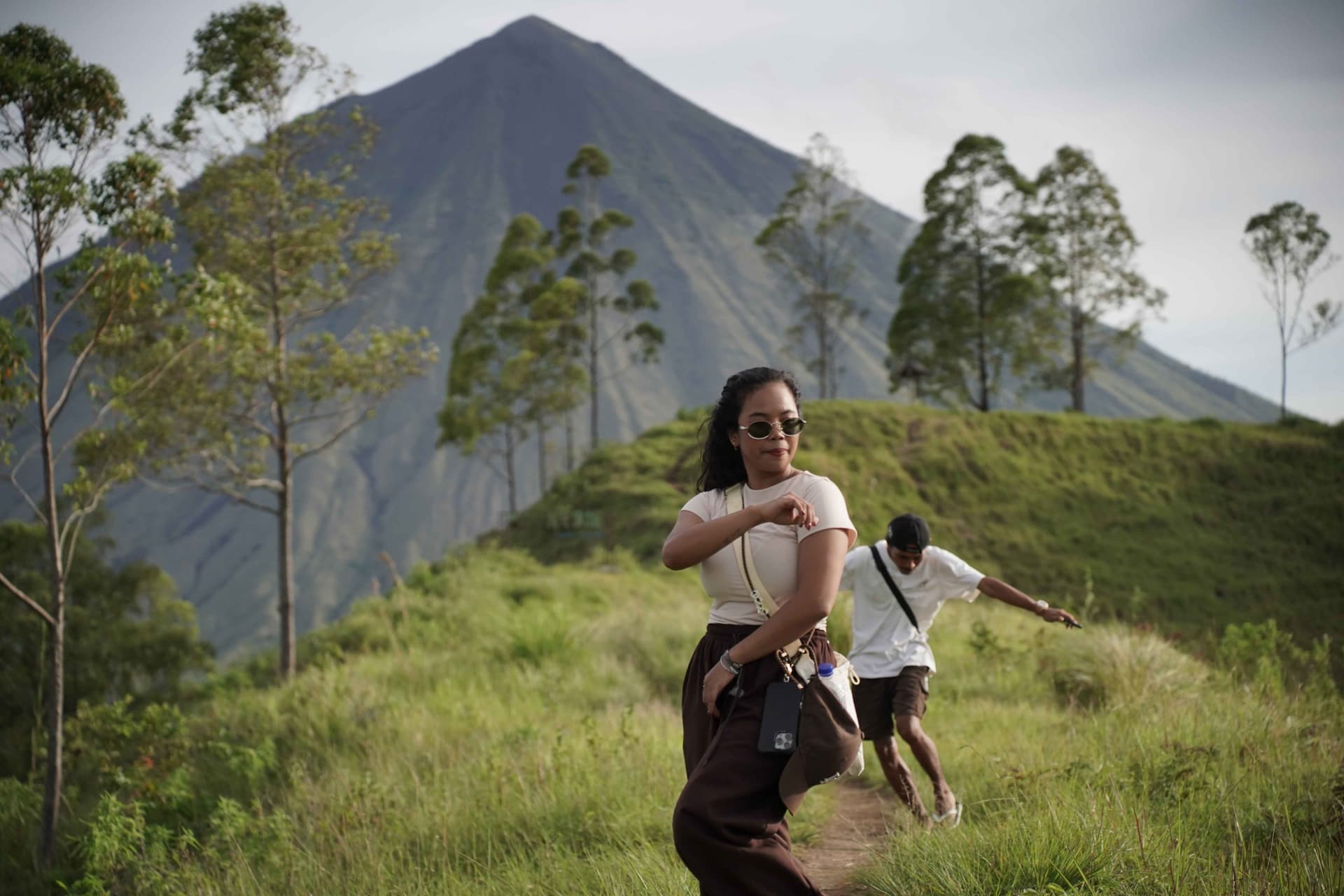
Epic Trans-Flores Overland Tour: Labuan Bajo to Ende Expedition
flores · 6D5N
The complete Trans-Flores overland journey from Labuan Bajo to Ende. Six days through spider-web rice paddies, traditional villages, volcanic hot springs, and the iconic Kelimutu crater lakes. For travelers who want the full Flores experience.
from
$452 USD
4. Swim the canyon pools of Cunca Wulang
About 30 kilometers northeast of Labuan Bajo, the Cunca Wulang river canyon cuts through limestone into a series of cold, clear swimming holes connected by short scrambles and rope swings. The trail takes roughly 45–60 minutes in from the car park; river sandals or closed-toe water shoes are strongly recommended, the rocks are sharp. Entry fee: around Rp 20,000. Go on a weekday morning if you can; by noon the pools attract crowds, and the slot-canyon light is best before 11am anyway.
5. Visit the Bajawa volcanic highlands and Ngada villages
Bajawa sits at roughly 1,100 meters in the volcanic interior of central Flores, and the villages around it Bena, Luba, Bela still arrange their clan totems (ngadhu and bhaga the paired umbrella-post and miniature-house that mark each family line) in traditional formation around a central plaza. Bena village charges a modest entry contribution (~Rp 30,000). The nearby Soa hot springs (about 13 kilometers from Bajawa) make a natural end to the afternoon. Hot enough to require caution, cool enough to sit in.
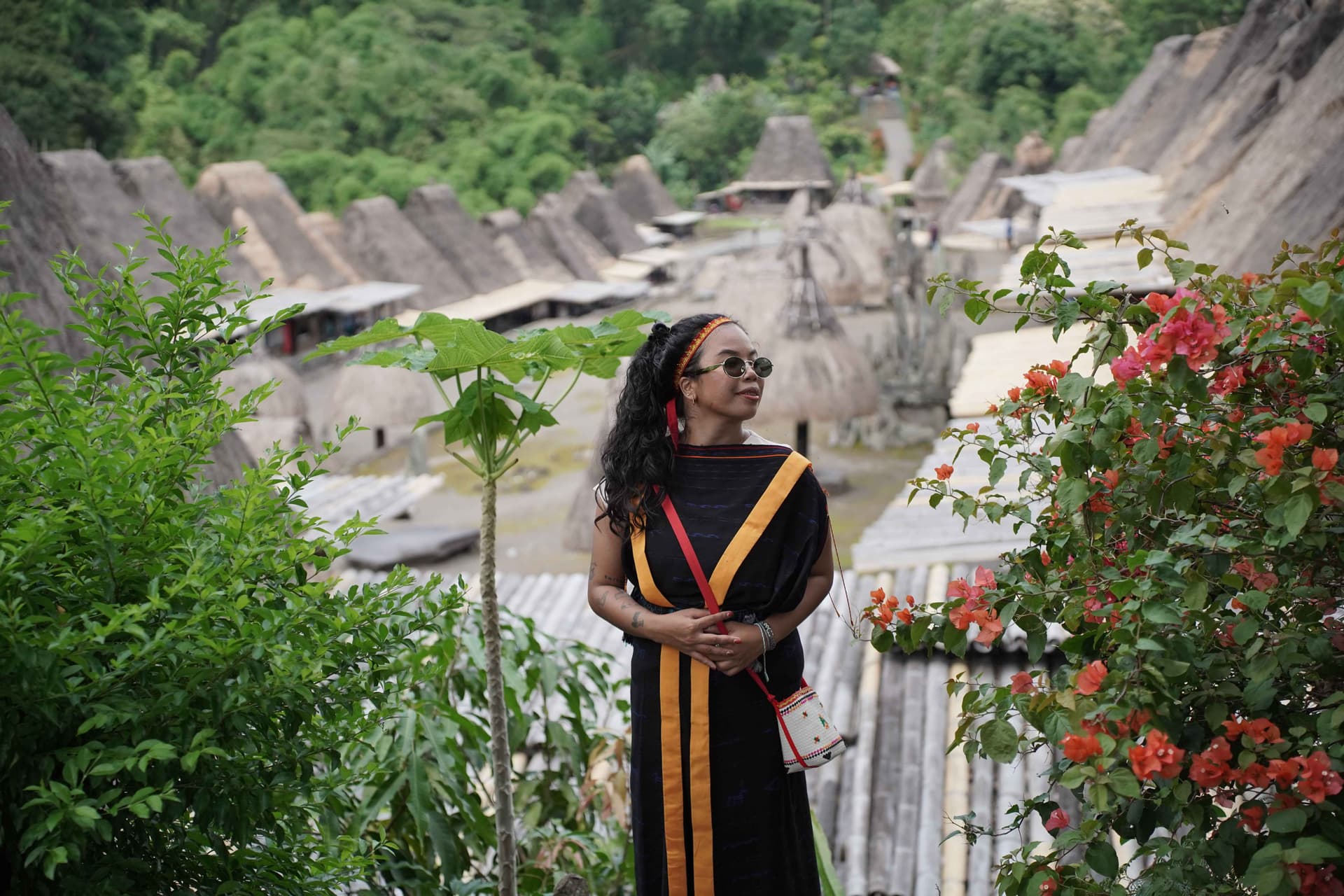
Timeless Bajawa Tour: Explore Cultural Villages & Natural Hot Springs
flores · 1 Day
Visit the traditional Ngada villages near Bajawa — megalithic stone formations, thatched-roof clan houses, and animist shrines still in active use. End the day at natural volcanic hot springs.
from
$16 USD
6. Snorkel the Riung 17 Islands Marine Park
On Flores' north coast, the 17 Islands of Riung form a protected marine park where bat-roofed limestone outcrops shelter reef flats that rarely see more than a handful of boats at any time. Visibility runs 10–15 meters on a calm dry-season day. The bats themselves enormous fruit bats that roost in the mangrove islets are worth the trip independently. Charter a boat from Riung town (~Rp 350,000–500,000 per group for a half-day); the park entry is included in most organized day trips.

Riung 17 Islands Marine Park
flores · 1 Day
Island-hop through the 17 Islands Marine Park off Flores' north coast. Pristine snorkeling, flying foxes at dusk, and zero crowds. One of Indonesia's most underrated marine parks.
from
$19 USD
7. Trek to the crater rim of Inerie volcano
Gunung Inerie, overlooking Bajawa, is a near-perfect cone that tops out at 2,245 meters. The summit trek takes roughly 4–5 hours return from the Bena village trailhead, gaining about 1,300 meters. A local guide is recommended not compulsory, but the upper scree section has poor trail definition and shifts in cloud come quickly. Reward: a 360-degree view over the Flores highlands and, on clear mornings, the Soa caldera and southern coastline. Start before 6am to clear the summit before cloud builds.
8. Spend time in Ende the town that shaped Soekarno
Indonesia's founding president was exiled to Ende by the Dutch in 1934–1938, and the city carries that history quietly — the tamarind tree he wrote beneath, the simple house on Jalan Perwira. Beyond the history, Ende's fish market (Pasar Mbongawani) opens before 5am and is one of the most vivid morning markets in eastern Indonesia. The city also sits an easy 45 kilometers from Kelimutu, making it the natural base for the lake sunrise without the crowded Moni guesthouse corridor.
9. Witness etu the ritual whip-fighting tradition of Sumba's Flores neighbors
Note for context: true etu (pasola) is Sumba, but Flores has its own equivalent ritual combat traditions in the Manggarai region — caci, a ceremonial whip-and-shield duel performed at harvest festivals and cultural events. Caci matches are not staged for tourists; they happen at harvest festivals (typically October–November) and specific village ceremonies. Ask your guide or local contact in Ruteng or Bajawa for current festival dates when you're planning. If you time it right, this is one of the most visceral and genuinely un-touristy cultural experiences in eastern Indonesia.
10. Thread it together Wae Rebo to Kelimutu overland
If you're doing the top 10 things to do in Flores justice, the sequence matters: begin in Labuan Bajo, cut inland to Wae Rebo, continue east through Bajawa and Riung, push into Ende, and finish at Kelimutu before flying home. This 4–5 day east-west thread through the interior is the island's most coherent itinerary and it lets each experience breathe instead of rushing between highlights.

Flores Overland: Wae Rebo to Kelimutu
flores · 4D3N
The classic Flores overland route from Ruteng to Ende, combining Wae Rebo village trek, Bajawa hot springs, traditional Ngada villages, and Kelimutu sunrise. The road itself is half the experience — volcanic peaks, rice terraces, and roadside markets.
from
$548 USD
baliflores~1.5-2 hours direct
IDR 800K–1800KWhen your dates firm up, the tours on this page handle logistics.
FAQ
When is the best time to visit Flores?
April through November is the dry season roads are reliable, skies are clear, and the Kelimutu sunrise hike is at its most pleasant in the cool morning air. The wet season (December–March) doesn't close Flores entirely, but the trans-Flores highway has sections that turn challenging in sustained rain, and some river-dependent trails (Cunca Wulang, Wae Rebo) can flood or close. If you're visiting primarily for Kelimutu, the lake colors are present year-round — weather at the summit is the variable, not the lakes themselves.
How do I get to Flores?
The two main entry points are Ende (ENE airport) for central and eastern Flores, and Labuan Bajo (LBJ airport) for the western gateway. Flights from Bali to either airport run roughly 1.5–2 hours direct. From Jakarta, expect 3–4 hours with a connection. You can also fly into Maumere (MOF) on the northeast coast for direct access to the eastern route. Most overland itineraries enter at Labuan Bajo and exit at Ende (or vice versa), one-way.
Do I need a guide for the Kelimutu sunrise hike?
Not strictly, the trail from the park gate to the summit rim is well-marked and takes 30–45 minutes. But hiring a local guide from Moni or Ende (around Rp 150,000–200,000) adds context: the significance of the lake colors in local Lio belief, which rim viewpoint reads best at what light, and when to move for the best angle as clouds shift. For Wae Rebo and Gunung Inerie, a guide is strongly recommended, the trekking terrain is less forgiving and trail definition thins at elevation.
How long do I need to see Flores properly?
Seven days is the minimum to cover the western highlights (Wae Rebo, Bajawa, Riung) and reach Kelimutu without feeling rushed. Ten to fourteen days lets you slow down, add Cunca Wulang, spend a morning in Ende's fish market, and time a caci ceremony if the calendar cooperates. The island punishes hurry; the best experiences here require you to show up early, stay longer than planned, and leave the tight connection times for other destinations.