"Planning your Komodo trip? Here are 10 things we'd actually do and why each one earns its place on your itinerary."
At a glance
- Getting there: Fly to Labuan Bajo (LBJ) from Bali (1.5 hours), Jakarta, or Surabaya. Most visitors connect through Bali, it is the quickest and most scenic gateway to the park.
- Best time: April to June and September to November offer the calmest seas and best diving visibility. The dry season means clear skies for island hopping and reliable manta ray encounters.
- Transport: flight from bali (~1.5 hours direct, IDR 700,000–1,600,000)
1. Trek with rangers on Rinca Island to see Komodo dragons in their habitat
Forget zoo glass. Rinca Island is where you stand 15 meters from a 3-meter lizard basking in the morning heat, the air thick, the ranger's hand steady on your shoulder, the dragon's ribs rising with breath. You'll hike the island's dry grassland (best 6am–9am, when heat hasn't driven them to shade) with a park ranger who reads tracks and behavior. The trek lasts roughly 2–3 hours depending on sightings, and you'll likely encounter multiple dragons, wild boar, and Timor deer. Park entry runs ~Rp 250k weekday / Rp 450k weekend; ranger fee ~Rp 80k. Most liveaboards include this as part of a 3–4 day package speedboat day trips can add it on, though dawn departures from Labuan Bajo mean catching a 5am boat.
Komodo Day Trip: Padar, Pink Beach & Dragons in 1 Day
komodo · 1 Day · 4.8
Experience Padar Island, Pink Beach, Komodo dragons, snorkeling, and Kalong Island—all in one unforgettable day from Labuan Bajo
from
$142 USD
2. Dive or snorkel Manta Point during peak season for manta ray encounters
Manta rays cruise Manta Point year round, but April–November brings the densest gatherings up to 30 rays in a single dive, their 4-meter wingspans gliding inches from your mask. The site sits roughly 1.5 hours by speedboat northeast of Labuan Bajo. Snorkel trips cost ~Rp 600k–800k per person (3–4 hours). Dives run deeper (12–20m) with visibility often 15–30m in dry season, and cost varies by operator expect Rp 1.2–1.5 million for a two tank morning. The current can be pushy, so snorkeling here suits intermediate swimmers; diving needs certification. Afternoon trips sometimes hit calmer conditions.
Manta Point Snorkeling Day Trip
komodo · 1 Day
Dedicated half-day trip to Manta Point in Komodo National Park. Focused on manta ray encounters with extended snorkel time at the cleaning station. Best April-October.
from
$77 USD
3. Walk the ridgeline of Padar Island at sunrise for the viewpoint everyone wants
The three-bay vista from Padar's 300m ridge has become iconic—turquoise shallows, white sand, the geometry of three perfect coves. The hike starts pre-dawn (5–5:30am), takes 45–90 minutes depending on fitness, and the payoff is usually worth the scramble. Bring a dry bag for cameras (morning sweat + salt spray = rust risk), wear closed shoes (rock is sharp), and carry 1–2 liters water. Most day trips and liveaboards time their Padar stop for sunrise. Speedboat transfers from Labuan Bajo run ~1 hour. The island sits within Komodo National Park, so park fees apply (~Rp 250k weekday).
4. Snorkel Pink Beach and understand why the sand is actually pink
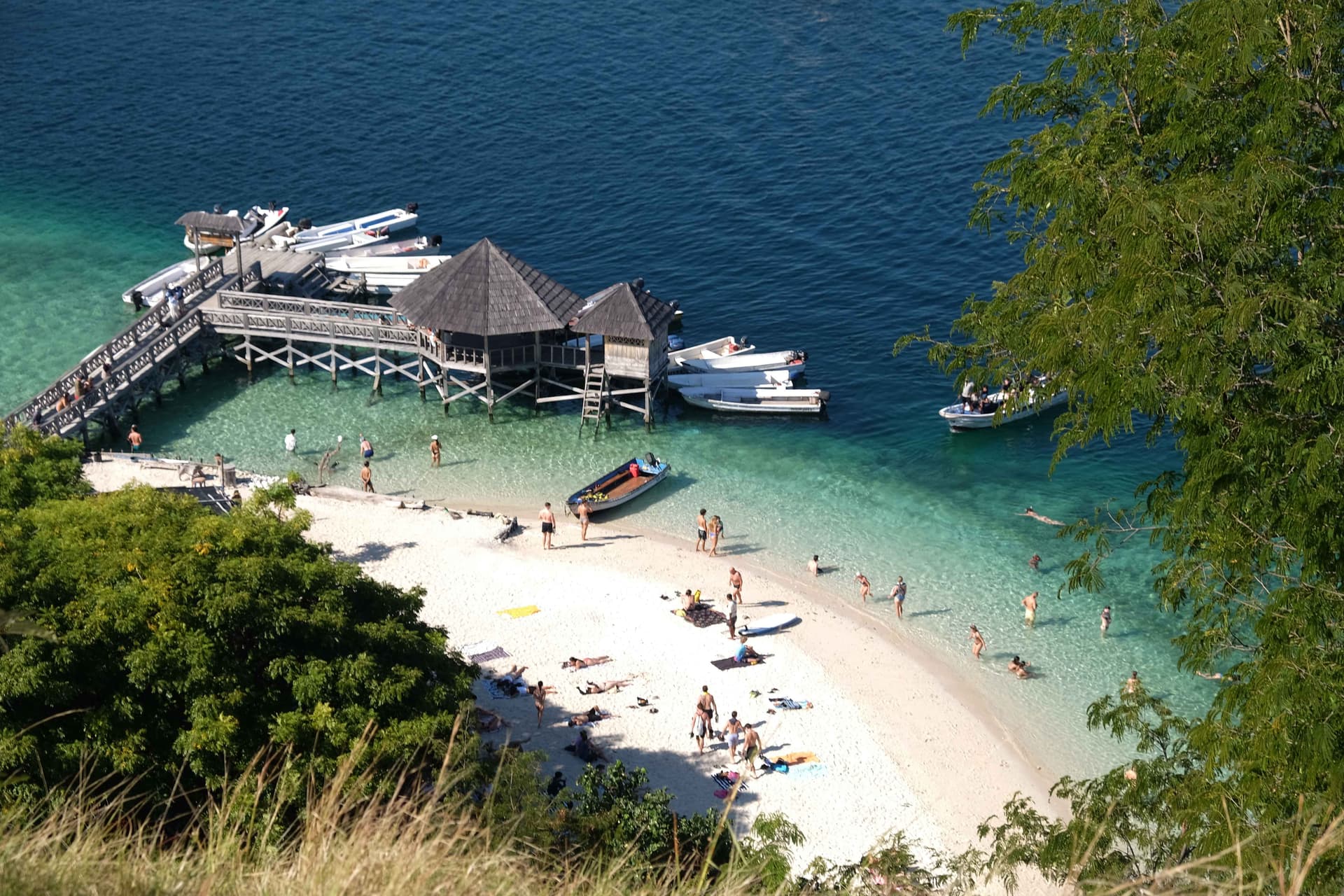
Pink Beach (Pantai Merah Muda) owes its blush to crushed red coral and volcanic minerals—a color you'll photograph a dozen ways and still not quite capture. The beach shelves gently, making it family-friendly for snorkeling (kids 5+ with supervision), and the coral garden 5–10m offshore hosts grouper, fusiliers, and garden eels. Water temps run 26–28°C year-round, so a thin rashguard is enough. Most half-day trips include 1.5–2 hours here; full-day itineraries add a picnic lunch on the sand. The beach has no infrastructure (no drinks, no restrooms), so bring what you need.
5. Sail a traditional kapal pinisi or speedboat between islands and understand the sea route
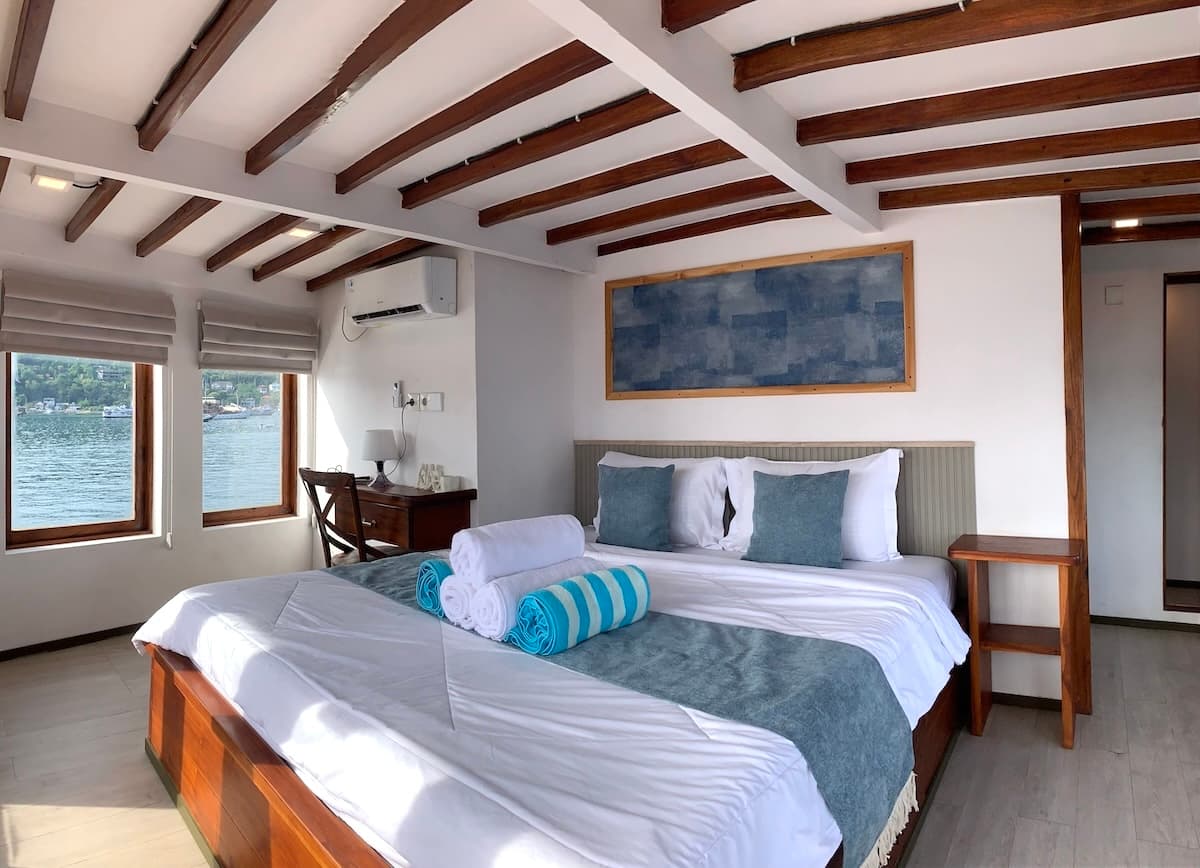
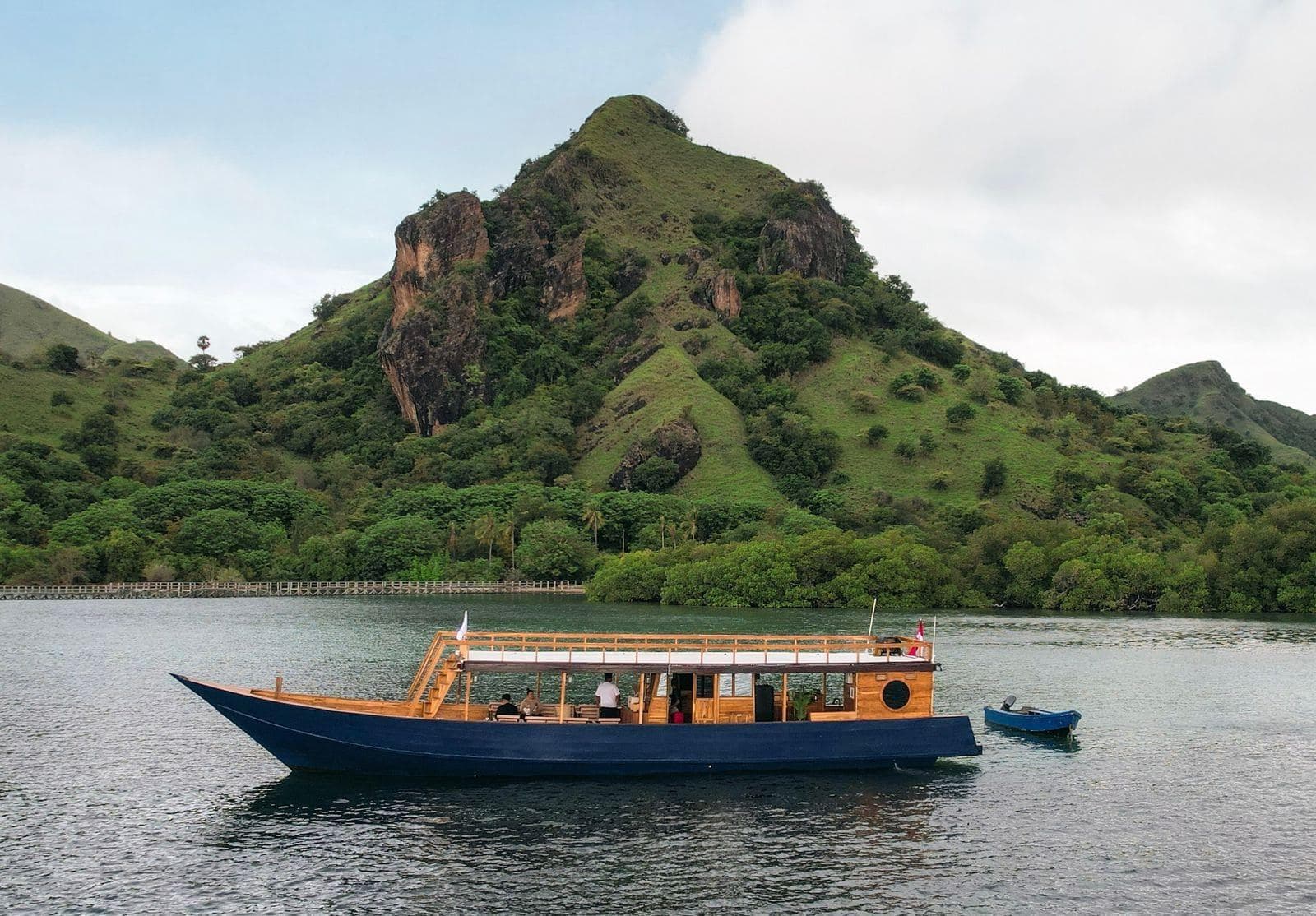
The choice between kapal pinisi (wooden sailing vessel, slower, romantic, great for sunsets) and speedboat (1.5–2 hours faster, more sea-spray intimacy) shapes your entire experience. Speedboats hit Padar–Pink Beach–Manta Point in a single day. Kapal pinisi liveaboards slow you down—sunset deck time, stargazing anchored in empty bays, waking at first light without engine noise—and run 3–4 days. If you're prone to seasickness, April–June and September–November bring the calmest crossings; speedboats amplify chop more than sailing. Day-trip speedboats cost ~Rp 1.5–2 million for 4–6 people. Liveaboards range Rp 8–30 million for 3 days, depending on cabin grade.
3D2N Komodo Phinisi Tour - Paddle-board & Floating Pool!
komodo · 3D2N · 4.7
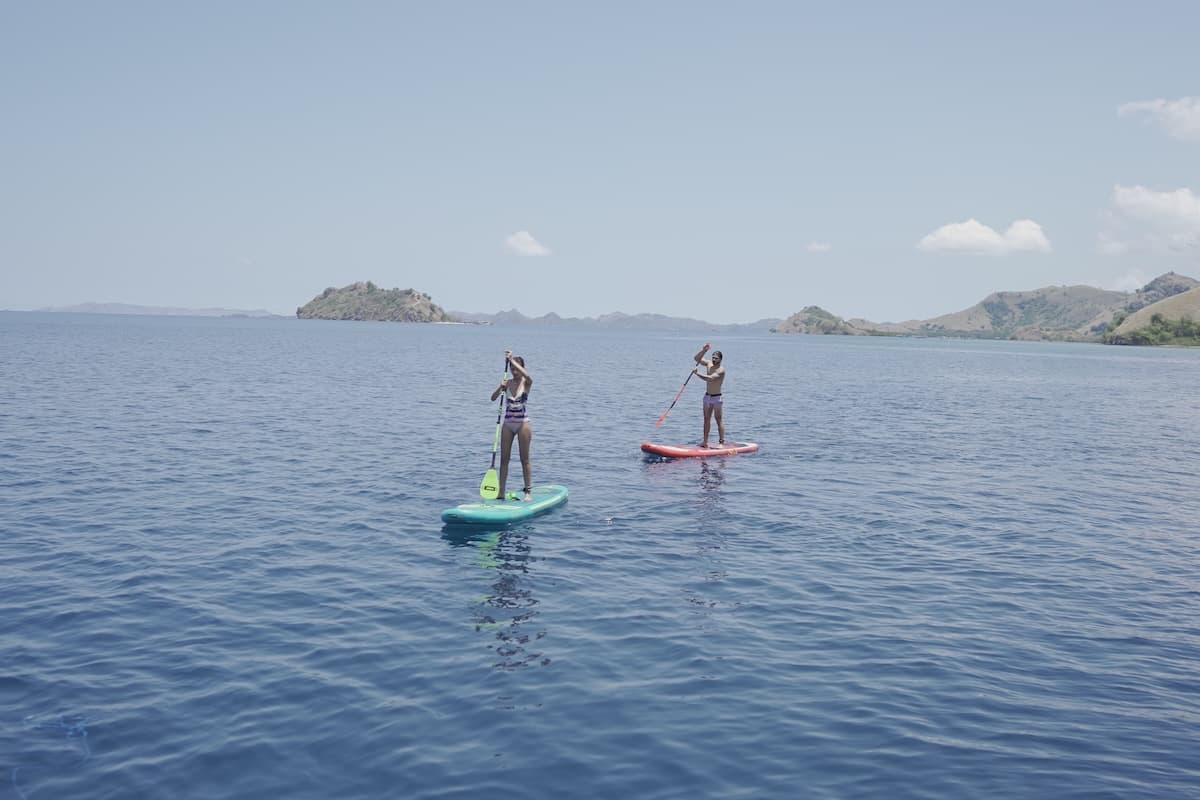
A Komodo open trip that leaves room to actually enjoy the water. You still get the headline sights — Padar at sunrise, the dragons, Pink Beach and Manta Point — but the floating seawater pool and paddle-boards turn the stretches between stops into the part families and photographers remember most. The captain reads the weather and tides rather than forcing a fixed route, so you spend more time in the sea and less time waiting around.
from
$306 USD
6. Snorkel or dive the Batu Bolong reef and hunt for Napoleon fish and reef sharks
Batu Bolong ("hole in the rock") sits northeast of Komodo, roughly 2 hours by speedboat from Labuan Bajo. The reef has a tunnel that creates dramatic light effects and funnels nutrients (and curious fish) toward the opening. You'll see Napoleon wrasse—the bulbous-headed giants that change color when threatened—reef sharks hunting in deep blue, and schooling barracuda. Visibility in dry season is typically 15–25m. This is a dive-forward site (snorkeling possible but less dramatic), and currents can run strong, so intermediate+ experience is smart. Most liveaboards include one dive here as part of a 3–4 day package.
7. Spot birds and reptiles unique to Komodo: kskp deer, wild boar, and Komodo rat snake
The Komodo archipelago isn't just about dragons. Timor deer graze the grasslands (best spotted early morning on Rinca), wild boar crash through brush, and the endemic Komodo rat snake—bright yellow or bronze—hunts at dusk. Birdwatchers find the white-bellied sea eagle, the endemic Flores crow, and various raptors. A ranger trek naturally surfaces these sightings; if you're keen on wildlife specifically, mention it to your guide when booking. Park rangers know which season and time of day favor particular animals.
8. Eat fresh grilled fish and satay on a boat deck at sunset
Liveaboards typically include meals—breakfast, lunch, and dinner cooked on board or brought from Labuan Bajo. The ritual is simple: you're anchored in a bay with no land in sight, fresh snapper or grouper grilled over charcoal, satay skewered and brushed with peanut sauce, lime and sambal on the side. Bring any dietary preferences to your operator when you book. Day trips sometimes include a packed lunch; speedboat excursions often skip the meal component (you grab warung food in Labuan Bajo before departing). If food quality matters to you, higher-end liveaboards (Rp 20–30 million for 3 days) typically invest more in crew and kitchen.

3D2N Komodo Liveaboard: The Ultimate Open Sailing Trip
komodo · 3D2N
Disconnect from the ordinary and embark on The Ultimate Komodo Escape. Our 3D2N Sailing Liveaboard Open Trip is perfectly designed for solo travelers, couples, and friends looking to explore the prehistoric wonders of Komodo National Park without the hassle of a private charter. Sail through the pristine waters of Labuan Bajo, hike to breathtaking panoramic viewpoints like Padar Island, snorkel with majestic manta rays, and walk alongside the legendary Komodo dragons. Enjoy comfortable cabin stays, fully-catered meals, and unforgettable moments sharing this epic journey with new friends. Secure your spot and let the adventure begin!
from
$306 USD
9. Dive the underwater volcanic landscape at Batu Tiga or Gili Lawa for macro and color
Batu Tiga ("three rocks") and Gili Lawa sit south of Komodo and offer cooler, nutrient-rich currents that paint the reef in soft corals, nudibranchs, and schooling fish. These are diver-only sites, requiring certification and suited to intermediate+ experience (currents here can surprise). Visibility in dry season is 12–20m. Liveaboards on 4–5 day routes include these as part of a deep-dive itinerary. Day trips don't typically reach them because turnaround time from Labuan Bajo is 3+ hours each way.

Komodo Diving Liveaboard
komodo · 4D3N
Multi-day diving liveaboard through Komodo's world-class dive sites: Batu Bolong, Crystal Rock, Manta Alley, and Castle Rock. Strong currents bring pelagics, mantas, and reef sharks. For certified divers.
from
$500 USD
10. Spend a night (or two) at a simple guesthouse in Labuan Bajo and adjust to the pace
Labuan Bajo itself—the scrappy coastal town where you'll catch your boat—deserves a night. The seafront warung serve fresh catch at Rp 80k–120k per plate. Your guesthouse (basic rooms ~Rp 300–500k, mid-range ~Rp 800k–1.5 million) becomes your pre-trip anchor—a place to rest, eat street food, walk the waterfront and watch fishermen unload their boats, grab SIM cards if you need them. If you fly in late or depart early, an extra night buffers you against travel stress. The town has no major sights, but the rhythm—early sleep, early wake, coffee and roti on the waterfront—acclimatizes you to island pace better than rushing straight onto a boat.
Pair any of these 10 with the tours on this page when your dates firm up—operators handle the logistics, timing, and safety so you focus on the experience.