First Time in Ambon 2026 — Practical Info
Planning your first trip to Ambon? Here's what to know before you go.
1. Reach Ambon by air, then plan onward by boat
Pattimura Airport (AMQ) connects Ambon to Jakarta (2.5 hours), Surabaya (1.5 hours), and Makassar (1 hour). Most travelers arrive via Jakarta or Surabaya. From the airport, a taxi into Ambon city runs roughly 200k Rp and takes 30 minutes. The airport sits on Ambon Island's western edge—closer to departure points for island-hopping than the city itself.
For inter-island movement, ferries and speedboats dominate. Banda Neira lies 140 km southeast (4–5 hours by ferry, 2 hours by speedboat). Seram Island and Ora Beach sit further north. Plan boat transfers when booking accommodation, as schedules shift with tides and weather. Most guesthouses and tour operators arrange pickups from your hotel to the dock.
JakartaAmbon
2. Best months: May–September, with May–June as sweet spot
Dry months (May–September) bring calm seas, clear visibility, and reliable dive conditions. May and June offer the best light—crisp mornings, minimal swell—ideal for photography and multi-day island-hopping. July and August are also solid, though slightly busier and warmer.
Shoulder months (April, October) work well if you prefer lighter crowds and flexible logistics. Wet season (November–March) brings occasional rough crossings, but marine life can be exceptional—manta rays peak December–February in Banda waters. Build 1–2 buffer days into your plan if traveling outside May–September.
3. Dive, snorkel, and reef-walk: water is the draw
Ambon's reputation rests on underwater richness—coral diversity rivals Raja Ampat, and accessibility is easier. Dive sites cluster around Banda Neira, Seram, and Ambon Island itself. Most tours include reef snorkeling alongside dives. Visibility typically runs 15–25 meters in dry season, 8–15 meters wet season. Water temperature stays 26–29°C year-round.
If diving isn't your plan, snorkeling and reef-walking at low tide are strong alternatives. Ora Beach (Seram Island) combines reef access with beach time and guesthouses. Banda Neira's smaller scale means shorter boat rides between sites and fewer crowds than other Molucca destinations.

Banda Sea Diving Liveaboard
ambon · 7D6N
Premium diving liveaboard through the Banda Sea — one of the last frontier dive destinations on Earth. Hammerhead schools, pristine walls, and volcanic seamounts. For experienced divers seeking the extraordinary.
from
$2,839 USD
4. Budget for food, guides, and boat fees separately
Accommodation in Ambon city runs 300k–800k Rp/night (budget to mid-range). Banda Neira guesthouses cost 400k–1.2M Rp/night. Meals at warungs average 40k–80k Rp; mid-range restaurants 100k–200k Rp.
Dive guides (if not bundled with tours) cost 300k–500k Rp per day. Speedboat charters for 6–8 people run 800k–1.5M Rp for a half-day island hop. Park entry fees are minimal (Banda Neira marine park ~50k Rp). Always confirm what's included in tour pricing—some operators bundle transport, meals, and guide fees; others charge à la carte.
5. Practical essentials: visa, currency, connection
Visa: Indonesian tourist visas (B211A) require 30 days advance application online or are available on-arrival for most nationalities (35 USD, 7 days). Check current requirements for your passport.
Currency: Indonesian Rupiah (IDR). ATMs dot Ambon city and Bandaneira; bring backup cash. Credit cards work at mid-range hotels and restaurants, but warungs and boat operators take cash only.
SIM cards: Local providers (Telkomsel, Indosat) sell prepaid SIM at airport or city shops (~50k Rp SIM + credit). 4G coverage is reliable in Ambon city and Bandaneira; spotty on remote islands. Download maps offline if island-hopping.
6. Choose your base: island-hop from Banda Neira, or slow down at Ora Beach
Banda Neira functions as the hub for diving and historical tourism—three small islands (Banda Besar, Banda Neira, Gunung Api) cluster close enough that boat rides between sites run 10–30 minutes. Guesthouses here range from basic to comfortable; the pace is deliberate and quiet.
Seram Island's Ora Beach offers a different rhythm—less diving infrastructure, more beach time, warung-and-kapal-pinisi atmosphere. A 3–4 day stay at Ora suits travelers mixing reef time with rest days.
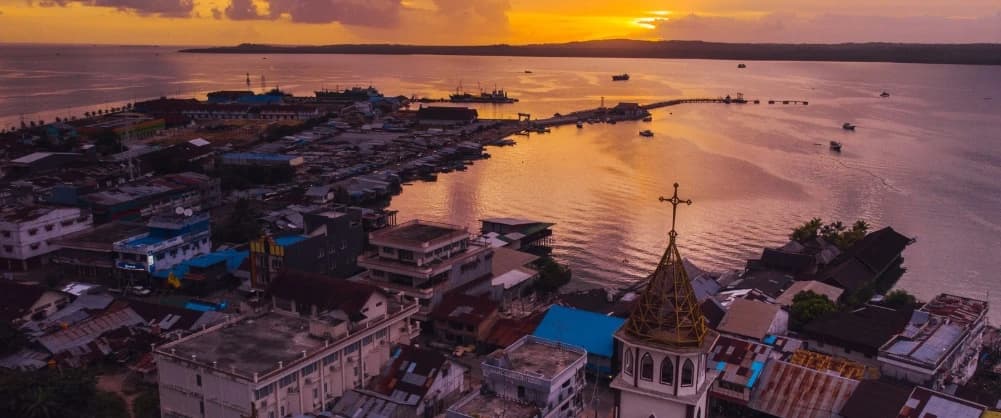
Ambon city itself is functional (airport gateway, markets, supplies) but not a destination in its own right for island travelers. Most people move through in a few hours.

Banda Neira Historical & Diving Trip
ambon · 4D3N
Explore the Spice Islands where nutmeg reshaped global trade routes. Dive pristine walls around Pulau Hatta, walk colonial forts on Banda Neira, and snorkel volcanic reefs. History and marine life in equal measure.
from
$226 USD
7. Pack smart: reef shoes, sun protection, dry bag
Reef shoes are non-negotiable—sharp coral and sea urchins are common. Bring a dedicated pair that drains quickly. Sun hat, long-sleeve rash guard, and strong sunscreen (SPF 50+) are essential; the equatorial sun reflects off water and sand mercilessly.
Waterproof dry bag protects camera gear, cash, and documents during boat transfers. If diving, bring a log book or be ready to start one. Lightweight long pants and closed shoes help in mosques and historical sites (Banda Neira has heritage areas where respectful dress matters). Casual warung visits don't require formality; T-shirt and shorts are fine.
8. Get oriented: slow travel suits this region
Ambon rewards slow pacing. Three to four days minimum per base—whether Banda Neira or Ora—lets you adjust to boat schedules, weather patterns, and local rhythm. Rushing between islands eats time and misses the smaller reef walks and warung dinners where the trip coheres.
Most organized tours handle logistics. When your dates firm up, the tours on this page cover accommodation, transport, and guided activities—letting you focus on what shows up each morning: the water, the light, the reefs.